Blizzards and Earthquakes in Niseko | Apps and Alerts for Visitors
This guide is for anyone who wants to be able to get information during a blizzard or earthquake in Niseko, even without reading Japanese. The short answer: install the Japan Tourism Agency's free Safety tips app before you go, save JNTO's 24-hour hotline number, and check road information before setting out on blizzard days. Those three steps cover most of what you need.
Key points
- Install the Japan Tourism Agency's free Safety tips app before you go. It sends earthquake, tsunami and weather alerts in 15 languages
- If you need help, call JNTO's Japan Visitor Hotline: 050-3816-2787 (24 hours, English, Chinese and Korean)
- Check weather warnings on JMA's multilingual site and road closures on Kita-no-Michi Navi
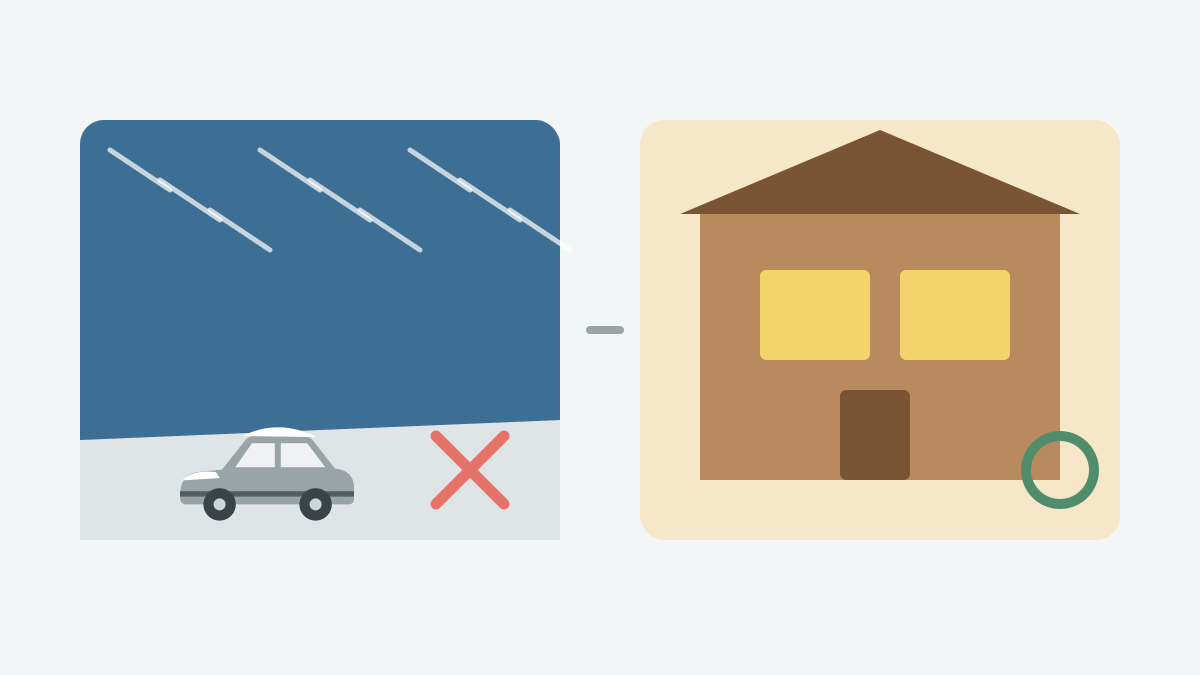
- On days with a blizzard forecast, don't drive. Wait it out indoors
The Short Answer: Three Things to Set Up Before You Go
- Safety tips15 languagesEarthquake, tsunami and weather alerts (free)
- Japan Visitor Hotline24 hours050-3816-2787 (English, Chinese, Korean)
- Emergency numbers119 / 110Ambulance and fire 119, police 110
| What to prepare | Why |
|---|---|
| Install the Safety tips app | Earthquake Early Warnings, tsunami warnings and weather emergency warnings arrive in your language |
| Save the Japan Visitor Hotline number | Get help in English, Chinese or Korean after an accident, illness or disaster |
| Bookmark JMA and Kita-no-Michi Navi | Check blizzard warnings and road closures |
| Phone charger and power bank | Batteries drain faster in the cold, and you'll need power in an outage |
| Your accommodation's address in Japanese | To explain where you are by phone or show a taxi driver |
Safety tips: Earthquake, Tsunami and Weather Alerts in Your Language
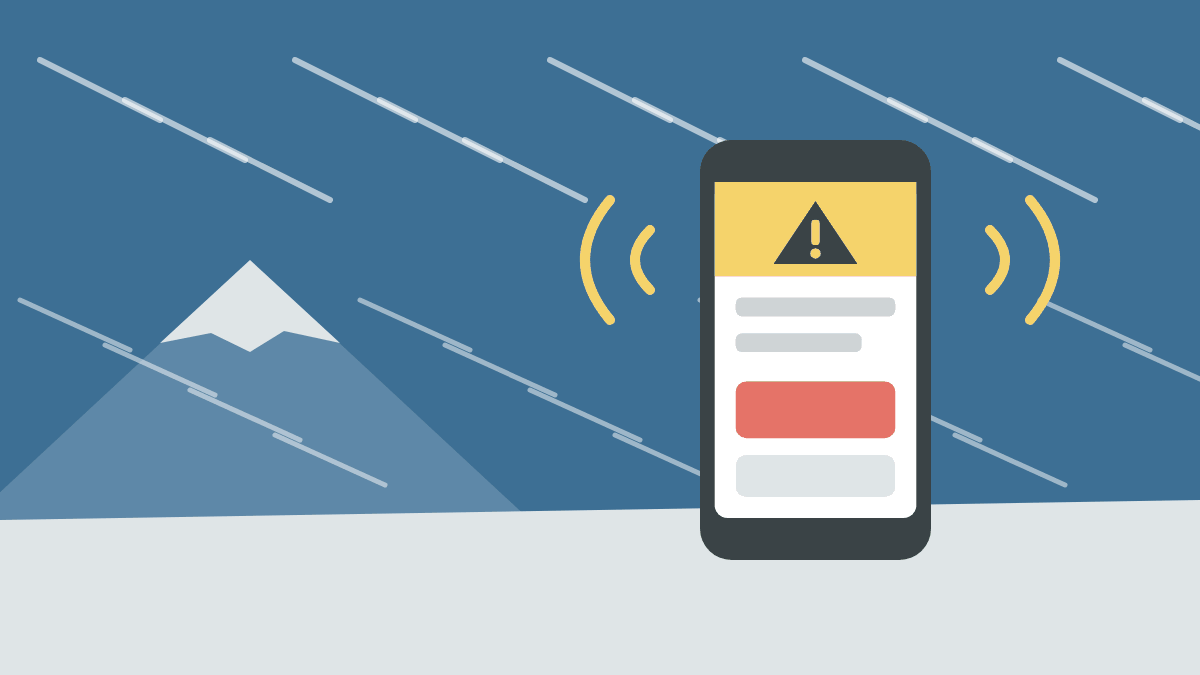
Safety tips is a free app for travelers supervised by the Japan Tourism Agency. It sends push notifications for Earthquake Early Warnings, tsunami warnings, weather emergency warnings, volcanic warnings and more, in 15 languages.
Install it and set your language and notifications before you leave for Japan, rather than after you arrive.
The NHK WORLD-JAPAN app (free) also sends earthquake, tsunami and weather emergency alerts in 11 languages including English, and it's useful for news in English too.
Phone Help: Japan Visitor Hotline, 119 and 110
The Japan National Tourism Organization (JNTO) runs the Japan Visitor Hotline for travelers.
- Number: 050-3816-2787 (+81-50-3816-2787 from an overseas phone)
- Hours: 24 hours a day, 365 days a year
- Languages: English, Chinese and Korean
- What it helps with: support after accidents, illness or disasters, and general tourist information
As a rule, it does not provide three-way interpreting or make bookings for you. In a life-threatening emergency (injury, sudden illness, fire) call 119; for crimes and accidents call 110 first.
During major earthquakes, tsunamis and similar events, JNTO posts updates on its English site, Japan Safe Travel Information, and on X (formerly Twitter) at @JapanSafeTravel.
Blizzard Information: JMA Warnings and Road Closures
Weather warnings: the Japan Meteorological Agency (JMA) publishes weather, earthquake, tsunami and volcano information in 15 languages, including English. In winter, Hokkaido can get "storm and snow" and "heavy snow" warnings.
Road closures: Hokkaido's road information is gathered on Kita-no-Michi Navi.
| Where to check | What it shows |
|---|---|
| Kita-no-Michi Navi | Blizzard information for passes, national and prefectural road closures, road camera images (foreign-language pages are machine translated) |
| Drive Traffic (NEXCO East) | Expressway closures and restrictions |
| Bus company notices | Cancellations and delays for airport and Sapporo buses |
Hokkaido Government's English winter driving guide says icy roads are about ten times as slippery as dry summer roads. For driving in blizzards and what to do if you get stuck, see Driving in Hokkaido in winter.
This image was generated by AI for illustrative purposes.
What to Do on a Blizzard Day
- Check warnings and road information the night before and in the morning: if a blizzard is forecast, postpone long journeys.
- Stay off the upper mountain: upper lifts and gondolas stop in strong wind. Off-piste is especially dangerous; see the Niseko Rules for the gate system.
- Wait indoors: if you go out on foot, keep it short and do it while it's light.
- If a blizzard is forecast on your flight day: head to the airport early, or check airline and bus notices and change your plans.
In an Earthquake: Stay Calm and Check Information
Hokkaido is an area where earthquakes can happen. If you feel shaking, protect yourself first, and once it stops, check information on your apps and from your accommodation.
- Follow your accommodation staff's instructions. Don't rush outside
- Check notifications from Safety tips and similar apps, and the JMA website
- If you're near the coast, watch for tsunami warnings (Niseko is inland, but take care on days you visit coastal towns such as Otaru)
- Agree on a meeting place with family or friends in case you can't reach each other
The Cabinet Office also publishes a disaster-preparedness guidebook for foreign residents and visitors, in English and other languages.
About the Volcanoes Near Niseko
Mt. Yotei and the Niseko volcanoes are active volcanoes monitored by JMA. JMA's September 2026 report says both were calm with no signs of an eruption. If a volcanic warning is issued, it will also reach apps such as Safety tips.
Map
FAQ
How can I get earthquake alerts in English in Japan?
Install Safety tips, a free app supervised by the Japan Tourism Agency. It sends push notifications for Earthquake Early Warnings, tsunami warnings, weather emergency warnings and more, in 15 languages. The NHK WORLD-JAPAN app also sends earthquake, tsunami and weather emergency alerts in English and other languages.
Is there a phone line where I can get help in English while traveling?
Yes. The Japan National Tourism Organization's Japan Visitor Hotline (050-3816-2787, or +81-50-3816-2787 from an overseas phone) is open 24 hours a day, 365 days a year, in English, Chinese and Korean. It helps with accidents, illness and disasters, and gives general tourist information. In a life-threatening emergency, call 119 (ambulance and fire) or 110 (police) first.
Where can I check whether roads are closed by a blizzard?
Kita-no-Michi Navi, Hokkaido's road information portal, shows blizzard information for mountain passes and closures of national and prefectural roads. Its foreign-language pages are machine translated. For expressways, check NEXCO East's Drive Traffic site.
Are the volcanoes near Niseko safe?
Mt. Yotei and the Niseko volcanoes are active volcanoes monitored by the Japan Meteorological Agency. JMA's September 2026 report says both were calm with no signs of an eruption. You can check the latest on the JMA website.
Summary
To be ready for blizzards and earthquakes in Niseko, install Safety tips before you go, save the Japan Visitor Hotline number (050-3816-2787, 24 hours), and make sure you can check warnings on JMA and road closures on Kita-no-Michi Navi. On blizzard days, don't push on; wait indoors. In an emergency, call 119 or 110.