Driving in Hokkaido in Winter | Licenses, Tires and Roads to Niseko
This guide is for anyone planning to rent a car and drive to Niseko in a Hokkaido winter. The short answer: unless you have a license that's valid in Japan, a car on winter tires and a plan to check road information before you leave, take the bus and shuttles instead. Below, using official information, we cover the licenses you need to drive in Japan, tires and vehicles, driving on snow, road information, and fuel and parking tips.
Key points
- To drive in Japan you need a 1949 Geneva Convention IDP, or a license from certain countries with an official Japanese translation
- Driving on summer tires on snowy or icy roads is illegal: confirm winter tires when you book a rental car
- Icy roads are about 10 times more slippery than dry summer roads, so leave at least 3 times the usual gap
- Check Hokkaido road information for closures before you set off, and don't drive into a blizzard
The Short Answer: Pre-Departure Checklist
| Check | What to look for |
|---|---|
| License | An IDP under the 1949 Geneva Convention, or a license from certain countries with an official Japanese translation. Valid for up to one year from entering Japan |
| Tires | All four are winter (studless) tires. Confirm with the rental company when you book |
| In the car | Tire chains, a snow brush and a shovel |
| Road information | Check Hokkaido Road Information for closures, mountain-pass weather and road cameras |
| Weather | If a blizzard or heavy snow is forecast, don't drive. Take the bus or train |
| Time | Allow longer than in summer and plan to arrive in daylight |
- How slippery ice isAbout 10×Compared with dry summer roads
- Following distance3× or moreCompared with summer
- Driving on a foreign licenseUp to 1 yearFrom entering Japan (or until your license expires, if sooner)
Which Licenses Let You Drive in Japan
According to Japan's National Police Agency, visitors can drive in Japan in the following cases.
| What you hold | Can you drive? |
|---|---|
| An International Driving Permit under the 1949 Geneva Convention | Yes |
| A license from Switzerland, Germany, France, Belgium, Monaco or Taiwan plus a Japanese translation from a designated body | Yes |
| Any other foreign license on its own | No |
- Translations must come from a designated body, such as the issuing authority, its embassy or consulate in Japan, or JAF (Japan Automobile Federation). Translations by sworn translators in your own country aren't accepted
- You can drive for up to one year from entering Japan, or until your license expires if that's sooner. An IDP itself is valid for one year from issue
- Get your IDP in the country that issued your license, before you travel
An international permit that isn't issued under the Geneva Convention may not be valid. Check the National Police Agency's guidance and ask your rental company before you leave.
Winter Tires, 4WD and Rental Cars
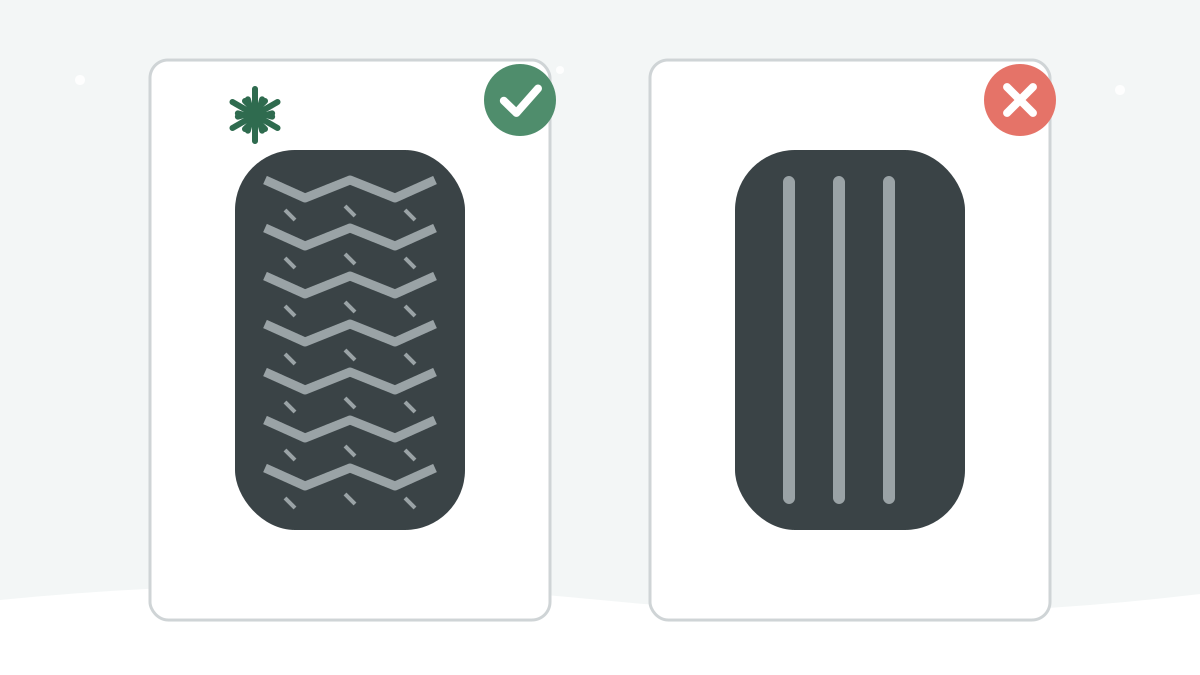
Driving on summer (normal) tires on snowy or icy roads is illegal (NEXCO East). When you rent a car for a Hokkaido winter, confirm it has winter tires when you book. Japan's national tourism organization (JNTO) also recommends checking for winter tires and asking whether the car has chains, a jack and jumper cables.
| Item | Tips |
|---|---|
| Winter tires | All four should be winter tires. Check the tread isn't worn (the 50% wear indicator shouldn't be showing) |
| Chains | The Hokkaido Regional Development Bureau asks drivers to carry chains even on winter tires. Chain restrictions can apply to some roads in heavy snow |
| 4WD | Easier to pull away and climb hills on snow. But it doesn't stop any better than a 2WD, so slow down anyway |
| Car size | Make sure your skis and luggage fit. Tell the rental company your party size and luggage when you book |
As well as at New Chitose Airport, you can rent cars in the Niseko area. If you'd rather not drive from the airport, take a coach to Niseko and rent a car there.
This image was generated by AI for illustrative purposes.
Driving on Snow: Go Slow Enough to Stop
Key points from the Hokkaido Government's winter driving guide:
- Icy roads are about 10 times more slippery than dry summer roads
- Leave at least 3 times the following distance you would in summer
- If the road surface looks dark or blackish, it may be frozen
- Brake early and gently, and use engine braking
- If ABS (the anti-lock braking system) kicks in and the pedal vibrates, keep pressing and steer around the hazard
- Take extra care before intersections, crosswalks and railroad crossings, on bridges and in shaded spots
JNTO also notes that car navigation systems may not have up-to-date road conditions, especially on minor roads. In winter, stick to major roads such as national routes rather than narrow lanes.
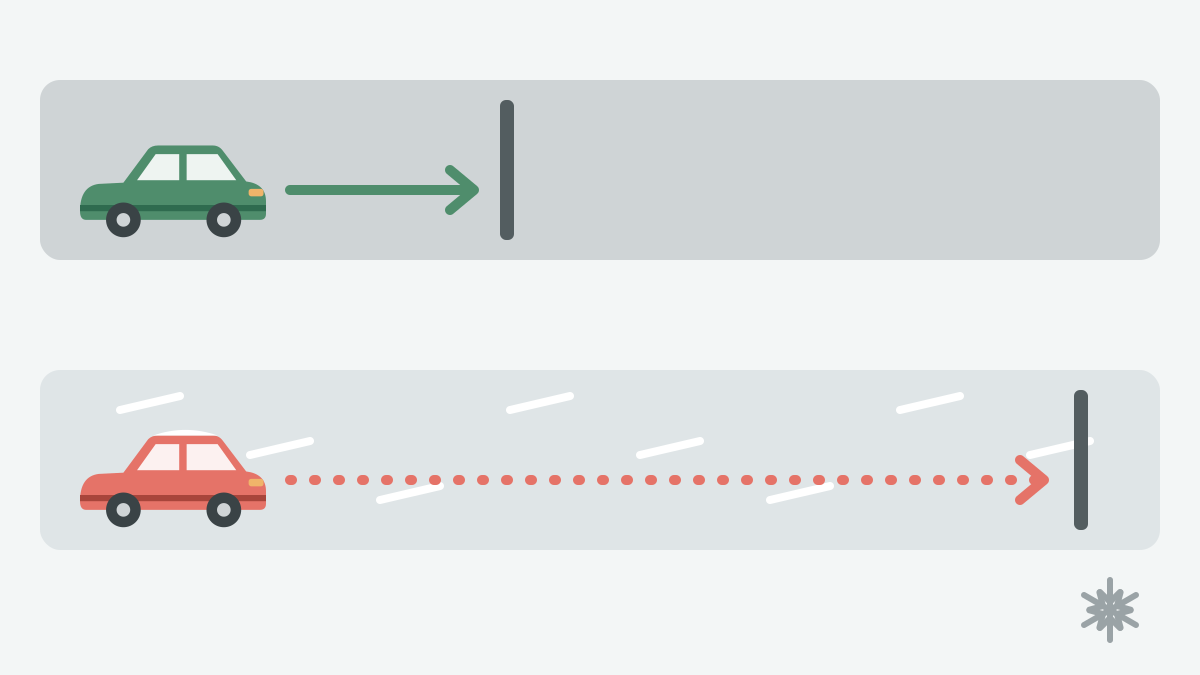
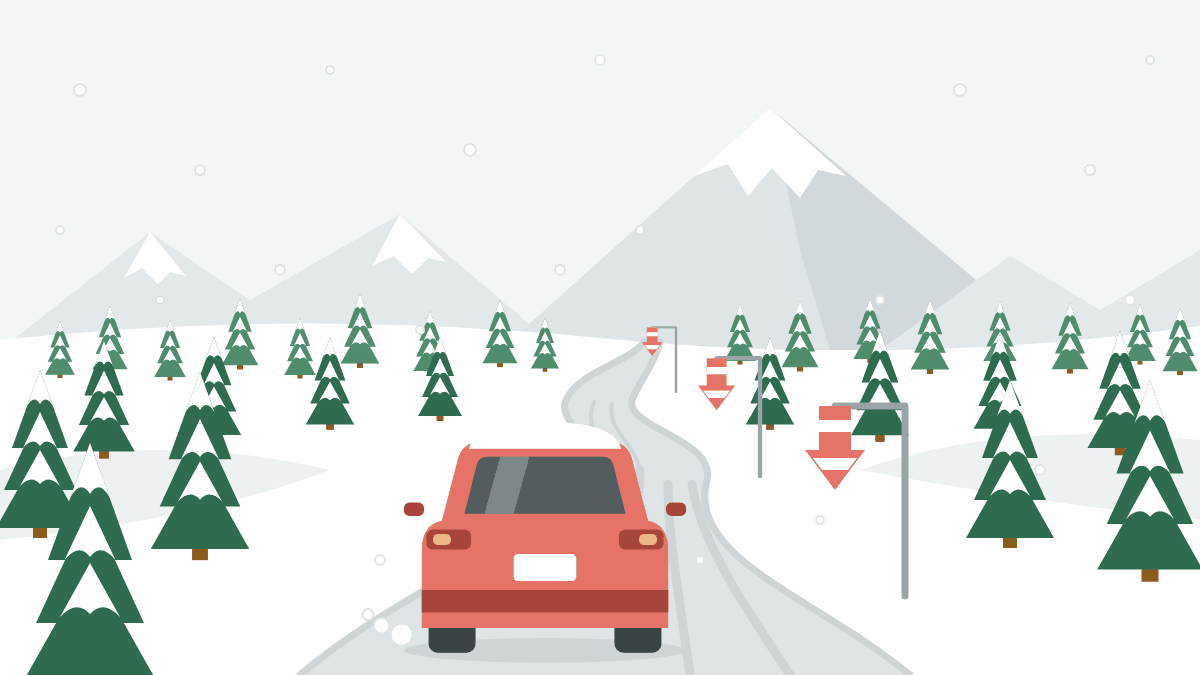
This image was generated by AI for illustrative purposes.
Road Information and Who to Call
Before you set off, check these for closures and weather.
| Name | What it shows |
|---|---|
| Hokkaido Road Information (Hokkaido Regional Development Bureau) | Closures on national roads and more, mountain-pass weather, road camera images |
| Kita-no-Michi Navi | Information on areas with poor visibility in blizzards |
| Drive Traffic (NEXCO East) | Expressway closures and restrictions |
| Japan Road Traffic Information Center (JARTIC) | Road information nationwide |
The Hokkaido Regional Development Bureau posts some closure information, such as blizzard closures, in English. Closure notices are also posted at roadside stations, convenience stores and gas stations.
If you get stuck in a blizzard
- Pull into a nearby safe place, such as a convenience store or roadside station, and wait for the weather to improve
- If you can't, stop somewhere safe and turn on your hazard lights
- Call the police (110), or the road emergency line (#9910) on expressways. On expressways, give your location using the kilometer posts by the road
- If you wait in the car, clear snow away from the exhaust pipe. A blocked exhaust can cause carbon monoxide poisoning
Fuel and Parking Tips
Fuel: check gas station locations and opening hours on a map before you set off, and fill up once you're down to about half a tank. Spare fuel also lets you keep the heater on if you're stuck waiting.
Parking:
| Situation | What to watch for |
|---|---|
| At your accommodation | Before booking, check whether there's parking, what it costs and who clears the snow |
| On the roadside | Don't park where it's prohibited. You'll get in the way of snowplows |
| In the morning | Clear all the snow off the car, including the roof, before driving. Defrost the windows too |
| At the ski resorts | Parking locations and rules vary by resort. Check the official sites |
Within Niseko, shuttles and free buses link the resorts. To avoid driving to dinner, use shuttles or taxis around your accommodation (see Getting around Niseko in winter).
Drive or Take the Bus?
Sapporo to Niseko is about 2 hours by car (via the expressway or over Nakayama Pass). Sapporo to Niseko Village is about 97 km via Route 230 (around 120 minutes), and New Chitose Airport to Niseko Village about 110 km via Route 276 (around 120 minutes). Snow slows things down in winter.
Snow slows things down in winter
| If you… | We'd suggest |
|---|---|
| Have never driven on snow | The coach from the airport or Sapporo, then shuttles and taxis in Niseko |
| Are used to snow and want to visit other towns | A rental car, planning to drive in daylight |
| Can't decide | Take the coach to Niseko, then rent a car locally on clear days only |
For buses and trains, see Sapporo to Niseko.
Map
FAQ
Can I drive to Niseko on my foreign license?
You can if you hold an International Driving Permit issued under the 1949 Geneva Convention. Licenses from Switzerland, Germany, France, Belgium, Monaco and Taiwan are valid together with an official Japanese translation from a designated body. Either way, you can drive for up to one year from entering Japan, or until your license expires if sooner.
Do I need a 4WD in Hokkaido in winter?
A 4WD (four-wheel drive) makes it easier to pull away and climb hills on snow. But it doesn't stop any better than a 2WD. Winter tires matter more, and whatever you drive, slow down and leave a big gap.
How long does it take to drive from Sapporo to Niseko?
Allow about 120 minutes for the roughly 97 km from Sapporo to Niseko Village via Route 230, and about 120 minutes for the roughly 110 km from New Chitose Airport via Route 276 (Niseko Village figures). Snow slows things down in winter, so leave extra time.
What should I do if I get stuck in the snow?
Stop somewhere safe, turn on your hazard lights and call the police (110), or the road emergency line (#9910) on expressways. If you wait in the car, clear snow away from the exhaust pipe to prevent carbon monoxide poisoning.
Summary
To drive in a Hokkaido winter, make sure you have three things: a license valid in Japan, four winter tires plus chains, and a road information check before you leave. Icy roads are about 10 times more slippery than in summer, so leave at least three times the gap and brake early and gently. If you're not used to snow, or a blizzard is forecast, buses and shuttles are the safest option.