Niseko Weather by Month and What to Wear (November–April)
How cold does Niseko get in winter, and what should you wear? Here's a month-by-month guide for anyone heading somewhere this snowy for the first time, or who finds it hard to imagine a Japanese winter. The figures are the Japan Meteorological Agency's official 1991–2020 averages for Kutchan, the town right next to Niseko.
Key points
- In January and February it stays below freezing all day (average highs −2 to −1°C, lows around −9°C)
- The most snow falls in December and January; the snowpack is deepest in February and March
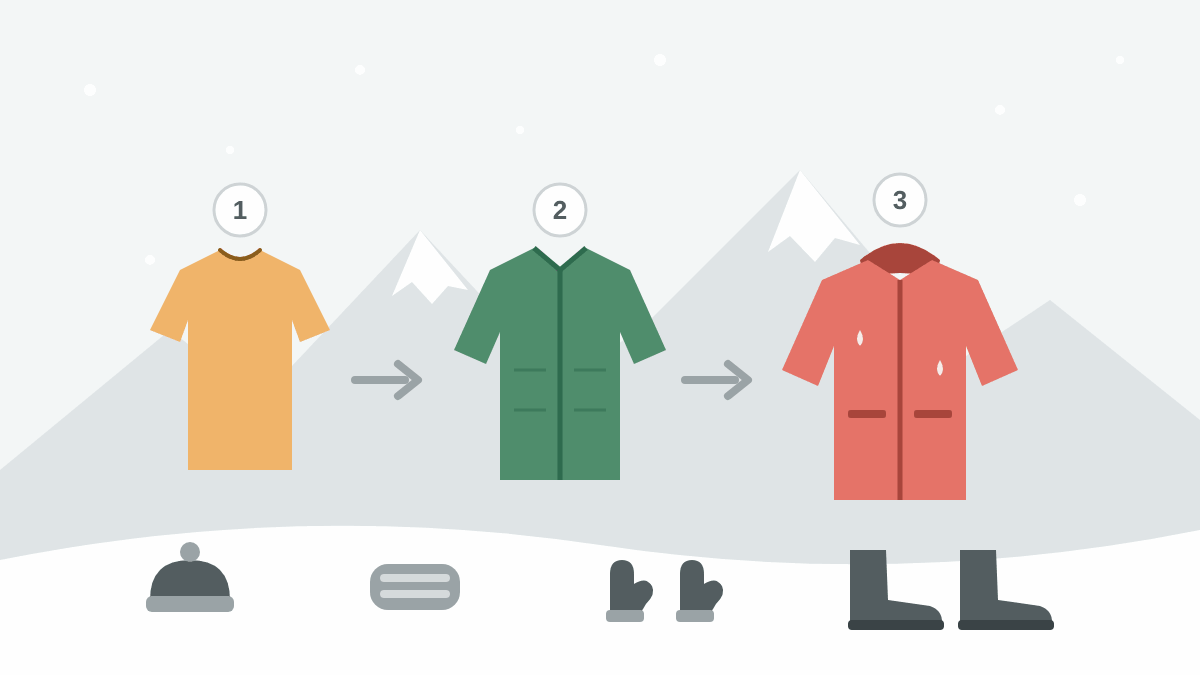
- On the slopes, wear three layers — base, mid and waterproof shell — and skip cotton
- In town, wear waterproof shoes with good grip, and layers you can take off indoors
The Short Answer: Below Freezing All Day in Jan–Feb — Wear Three Layers
In Niseko, daytime highs hover around 0°C or below from December through March. In the coldest months, January and February, many days stay below freezing from morning to night.
- Average high−2.0°CBelow freezing even by day
- Average low−9.6°CMornings and nights
- Snowfall253 cmJanuary total (same as December)
Japan Meteorological Agency normals for Kutchan (1991–2020). It's colder up on the mountain
- Skiing and snowboarding: three layers — a base layer that wicks sweat, a mid layer (fleece or light down) and a waterproof jacket and pants.
- Walking around town: a warm coat, hat, gloves and waterproof shoes with good grip.
- Indoors: hotels and restaurants are warm, so wear layers that are easy to take off.
Temperatures and Snow by Month (Kutchan Averages)
The snowpack is deepest in February (181 cm) and March (170 cm). Details in the table below
| Month | Mean temp | Average high | Average low | Snowfall (monthly total) | Deepest snow (average) |
|---|---|---|---|---|---|
| November | 2.9°C | 6.9°C | −1.0°C | 95 cm | 36 cm |
| December | −3.1°C | 0.0°C | −6.8°C | 253 cm | 99 cm |
| January | −5.4°C | −2.0°C | −9.6°C | 253 cm | 155 cm |
| February | −4.9°C | −1.0°C | −9.4°C | 187 cm | 181 cm |
| March | −1.0°C | 3.0°C | −5.7°C | 122 cm | 170 cm |
| April | 4.9°C | 9.8°C | 0.1°C | 17 cm | 101 cm |
Three things stand out:
- The most new snow falls in December and January. If you're chasing fresh powder, this is the time.
- The snowpack is deepest in February and March. There's plenty of snow on the runs, and March is a little less cold.
- November and April get less snow. Niseko United's resorts open on November 28 for the 2026-27 season (dates can change with snow conditions).
What to Wear, Month by Month
| When | In town | On the slopes |
|---|---|---|
| Late Nov – early Dec | Winter coat, hat, gloves. Waterproof shoes for snow and sleet | Three layers. It's the start of the season, so not all runs may be open |
| Mid Dec – Feb | Insulated down jacket, hat, gloves, neck warmer, waterproof winter boots with grip | Three layers plus a neck warmer or balaclava, goggles, helmet and hand warmers |
| March | Same as Dec–Feb; you can go a bit lighter on sunny afternoons | Thinner mid layer; sunscreen for the strong spring sun |
| April – early May | A spring coat may do on some days, but mornings and evenings are cold | Light mid layer. Fewer resorts are open (Hanazono until Apr 11, Niseko Village until Apr 4; Grand Hirafu and Annupuri until May 5) |
Season dates are as announced by Niseko United for 2026-27.
- Grand Hirafu & AnnupuriNov 28 – May 5
- HanazonoNov 28 – Apr 11
- Niseko VillageNov 28 – Apr 4
- Night skiingDec 12 – Mar 22
Dates can change with snow conditions
Ski and Snowboard Clothing: Three Layers and the Little Things
Niseko United recommends layering like this:
- Base layer: merino wool or synthetic. Avoid cotton — it stays wet once you sweat, and you'll get cold.
- Mid layer: fleece or light down.
- Outer layer: waterproof jacket and pants.
Accessories matter too: gloves or mittens, ski socks, a neck warmer or balaclava, goggles, a helmet and disposable heat packs (kairo). On deep-powder days, you'll be more comfortable with wool-blend socks, a powder skirt (it keeps snow out from under your jacket), bib pants, mittens with liners, and two goggle lenses — one for flat light and one for bright days. Keep heat packs, sunscreen, lip balm and a power bank in your pockets (phone batteries drain fast in the cold).
Clothes and Shoes for Town
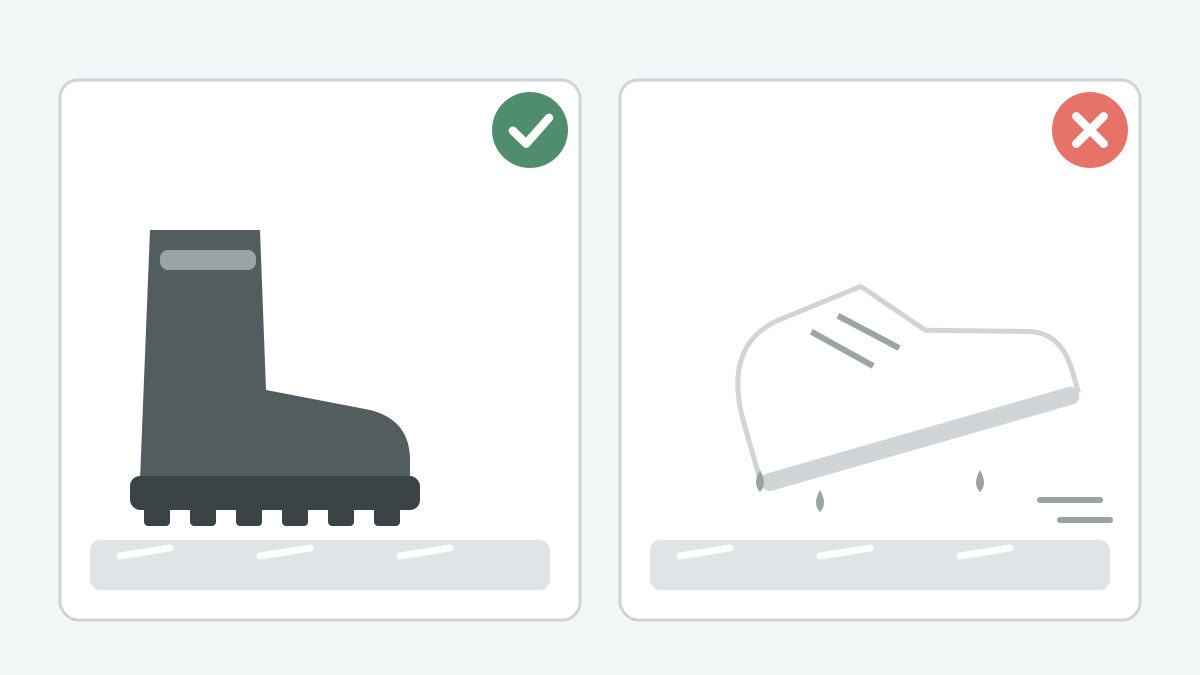
What catches people out in town isn't so much the cold as the ground underfoot. Niseko United also points out that sneakers get wet and slippery, and recommends waterproof footwear with good grip.
- Shoes: waterproof winter boots with deep tread.
- Jacket: a warm coat with a hood. When it's snowing, a hat and hood work better than an umbrella.
- Gloves and hat: a hat that covers your ears. Touchscreen gloves are handy if you use your phone a lot.
- Indoors: restaurants, onsen and hotels are warm, so wear things that come off easily.
This image was generated by AI for illustrative purposes.
Buying or Renting Gear in Niseko
If you forget something, you can find most of it in Niseko. At Grand Hirafu, shops such as the Mountain Center next to the King Gondola base sell outerwear and accessories (helmets, goggles, gloves, balaclavas), and there are sports shops in town too.
Skis, boots and helmets can be rented. Niseko United recommends booking early for the Christmas–New Year period and February. Whether you can rent ski clothing (jackets and pants) depends on the shop, so ask the rental shop if you need it.
If you're touring more of Hokkaido, see our Hokkaido seasonal packing guide too.
It Gets Dark Early: Planning Your Day
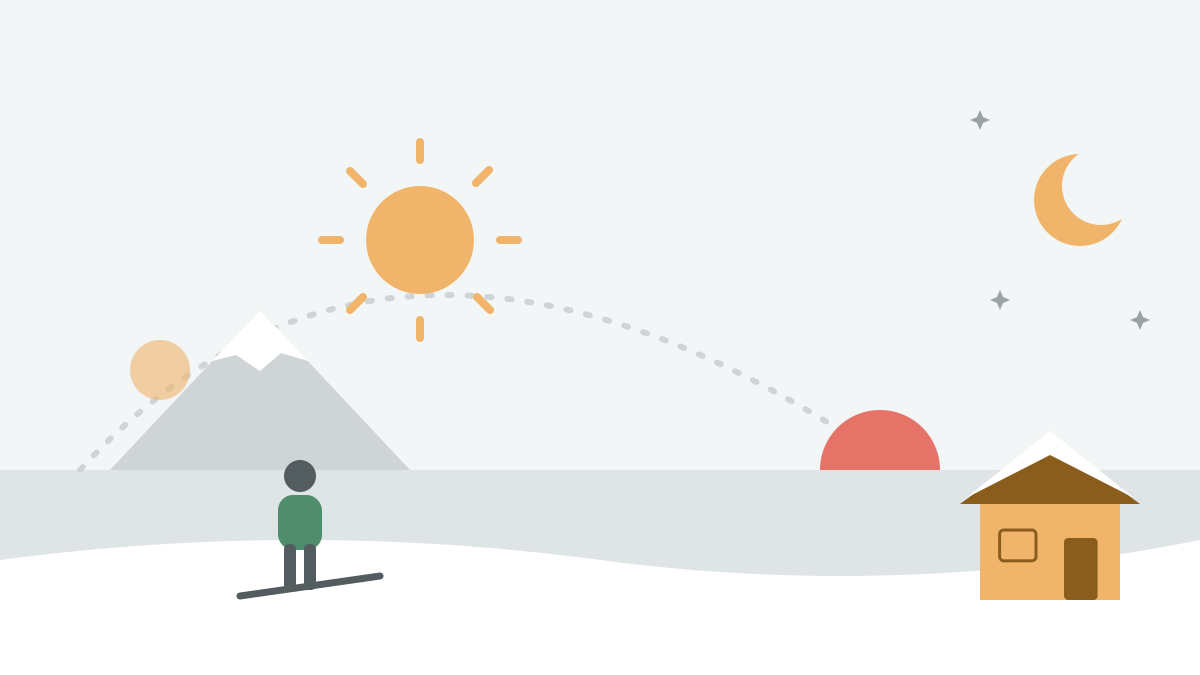
Winter days in Hokkaido are short. In December, the sun sets around 4 p.m. in Sapporo (National Astronomical Observatory of Japan; Niseko differs by a few minutes). Around the winter solstice, sunrise is just after 7 a.m. and sunset just after 4 p.m.; even at the end of January, the sun sets around 4:45 p.m.
- Ski in the morning. After about 3 p.m. it starts getting darker and colder.
- Walk around town and take photos while it's light. Once it's dark, icy patches on the road are harder to see.
- Night skiing runs from December 12 to March 22 in the 2026-27 season. It's colder at night, so wear one more layer than during the day.
This image was generated by AI for illustrative purposes.
Map
FAQ
How cold is Niseko in January?
Based on official averages for Kutchan, January has a mean temperature of −5.4°C, an average high of −2.0°C and an average low of −9.6°C. On the mountain, with wind and snow, it feels colder.
When is the best time for powder in Niseko?
In Kutchan's official averages, the most snow falls in December and January (253 cm each month). The snowpack is at its deepest in February and March.
Can I buy ski clothing in Niseko?
Yes. Shops at the ski resorts and in town sell outerwear and accessories such as gloves, goggles and neck warmers. Skis, boots and helmets can be rented, and booking ahead is recommended in peak periods.
What should I wear on non-ski days?
A warm insulated coat, a hat, gloves and waterproof shoes with good grip are enough for walking around town. Sneakers get wet and slippery, so they're not a good choice.
Summary
From December to March, Niseko's daytime highs sit around 0°C, and in January and February it's normal for temperatures to stay below freezing all day. For skiing, wear three layers (no cotton) plus the right accessories; for town, waterproof shoes with good grip are the key. The most new snow falls in December and January, and the snowpack is deepest in February and March, so pick your dates to match what you want.