The Niseko Rules: Gates, Backcountry and Avalanche Safety
Niseko has local rules for anyone skiing beyond the resort boundary into the backcountry: the Niseko Rules. This guide is for riders who want to head out through the gates in search of powder, and for anyone wondering what "the gates" even are. It covers the six rules in their official wording and the safety thinking behind them. Check the official site each season for the latest details.
Key points
- Leave the ski area only through the official gates — ducking ropes is prohibited
- When a gate is closed, you can't go out. Never enter off-limits areas
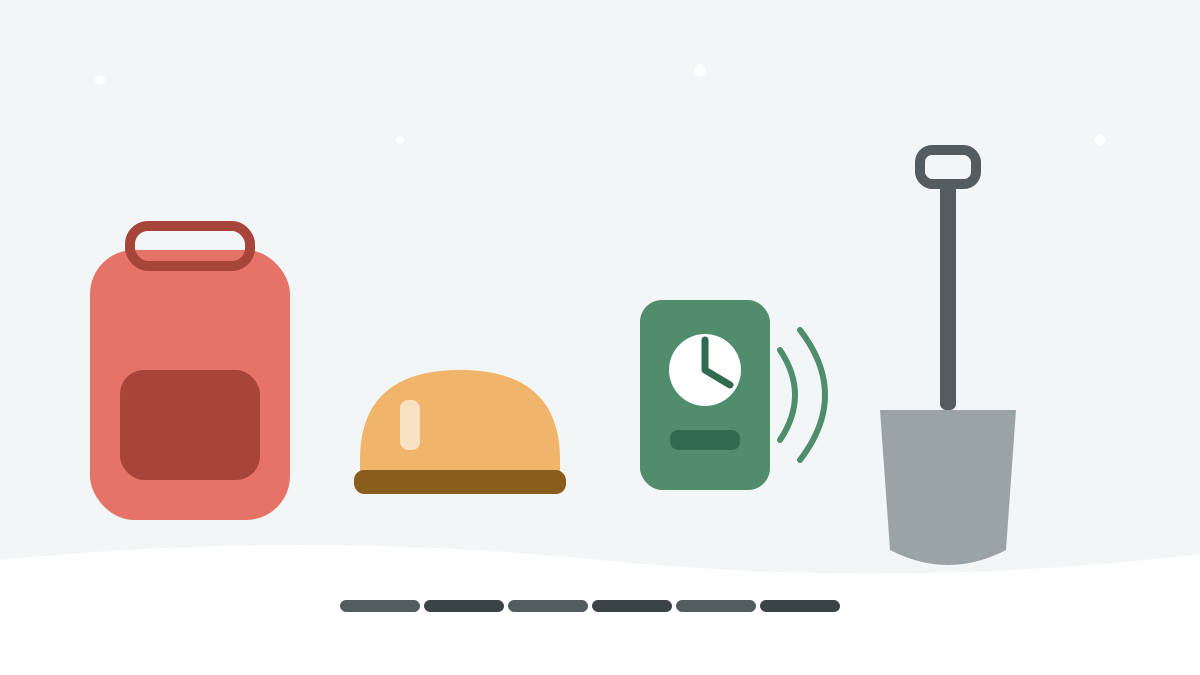
- A helmet and avalanche beacon are the minimum; a probe and shovel are very strongly recommended
- Break the rules and your lift pass can be confiscated. Backcountry search and rescue costs at least ¥100,000
The Short Answer: Go Out Only Through Gates — and Never When They're Closed
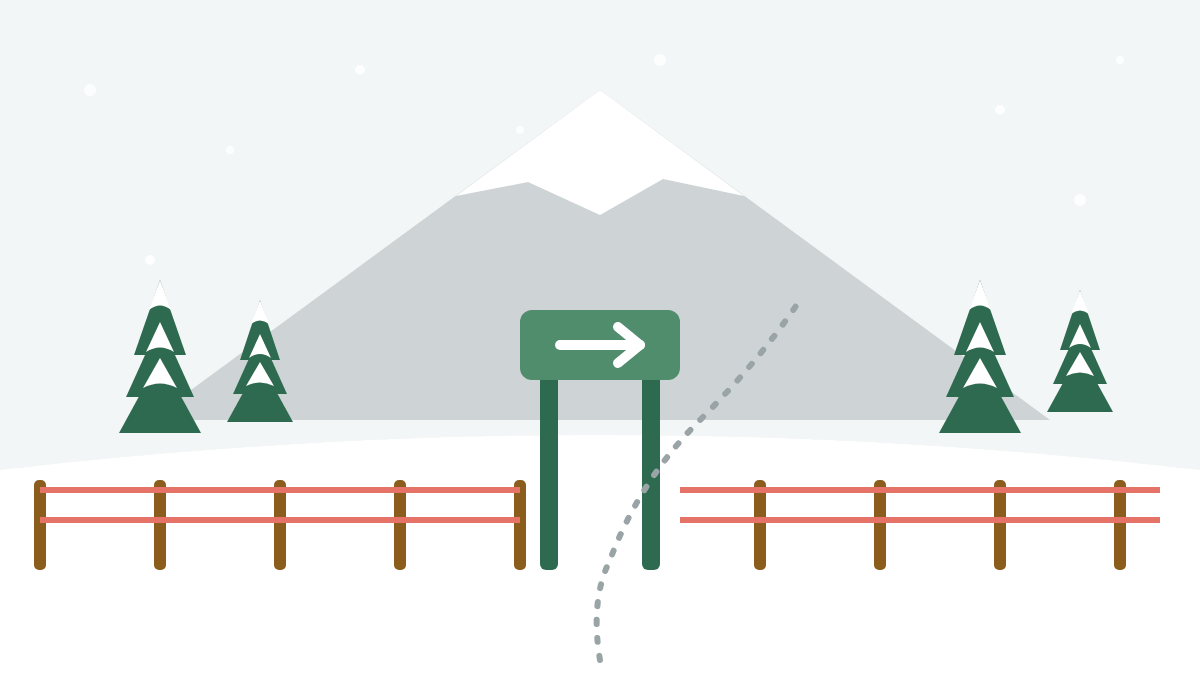
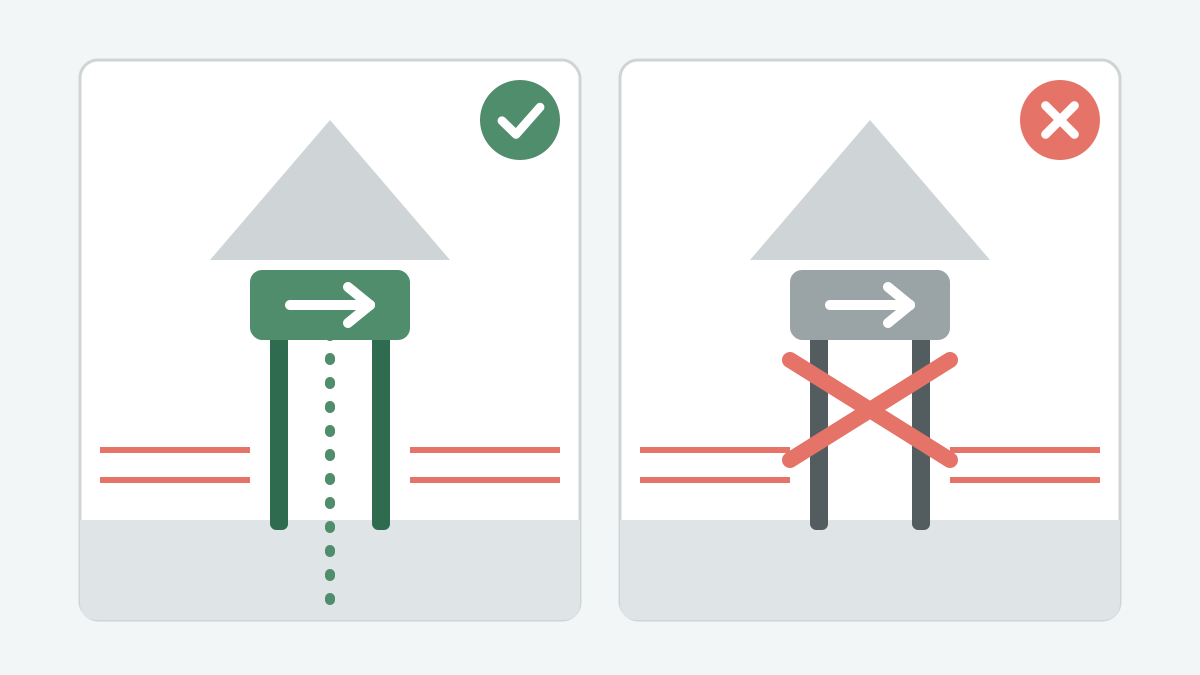
You can't just leave the runs anywhere you like in Niseko. You may only leave the ski area through designated gates in the boundary, and only when those gates are open. Ducking under ropes to get out of bounds is prohibited.
Beyond the gates is not terrain the resorts groom or manage. It's natural mountain terrain with avalanche and fall hazards, and if something goes wrong, it's on you. Anyone going out must wear a helmet and carry an avalanche beacon (a transceiver used to find people buried in snow).
- Minimum gearHelmet + beaconRule 3
- Very highly recommendedBeacon, probe, shovelNiseko United
- Search and rescueAt least ¥100,000Outside the ski area
The Six Niseko Rules (Official Wording)
The Niseko Rules are set by the Niseko Annupuri Avalanche Prevention Committee (secretariat: Niseko Town Hall, Commerce & Tourism Division).
| # | Official wording | In plain terms |
|---|---|---|
| 1 | Always use gates when entering backcountry areas. | Go out through a gate |
| 2 | Do not duck boundary ropes. | Never go under the rope |
| 3 | Everyone skiing/snowboarding in backcountry areas should wear a helmet and carry an avalanche beacon. | Helmet and beacon are the bare minimum |
| 4 | Backcountry skiing/snowboarding is prohibited when gates are closed. | No going out through a closed gate |
| 5 | Never enter off-limits areas at any time. | Off-limits means off-limits, always |
| 6 | Elementary school children are not allowed in backcountry areas unless accompanied by an elder companion. | Young kids never go out alone |
What the Gates Are — and Why Their Status Changes Daily
Gates are openings in the boundary rope that let you leave the ski area. Depending on snow and weather, they're open on some days and closed on others.
- Ski area (the runs)
- GateOnly passable when it's open
- Outside the ski area (backcountry)Natural mountain terrain with avalanche and fall hazards
Simplified diagram, not a map (distances are not to scale)
- Check whether they're open in the day's avalanche report, on the signs at the gate, and by following ski patrol instructions.
- Going out through a closed gate breaks Rule 4.
- Official guidance from 2018 explains that the land beyond the boundaries, including the summit, is national forest and similar land that the resorts don't patrol. It also says to follow the instructions of the ski patrol and the Shiribeshi Mountain Patrol.
This image was generated by AI for illustrative purposes.
How to Read the Avalanche Report
In Niseko, the Niseko Avalanche Institute forecasts each day's hazard using its own methods, and the resulting Niseko Avalanche Information is the area's official information.
- Where to find it: the avalanche report page on Niseko United's website, and at lift stations and gates.
- Languages: Japanese and English.
- What it covers: weather by elevation (e.g. Hirafu/Hanazono 1,000 m, Annupuri 1,100 m), hazards by location (such as gully sidewalls and slopes with cornices), and gate status.
On any day you plan to go out, read it in the morning. On some days the gate status says "undecided — follow patrol instructions."
Gear to Carry and Hazards to Watch For
Rule 3 makes a helmet and an avalanche beacon the minimum. Niseko United goes further and "very highly" recommends carrying all three essentials: a beacon, a probe (a pole for locating buried people) and a shovel — they may save not only your life but your buddy's too. Practice using all three before you need them.
The official hazards to keep in mind:
- Bad weather: many past accidents have happened in poor conditions.
- Falling into crevasses and hitting trees: watch for cracks in the snow and collisions with trees.
- "Mountains are never 100% safe": an open gate is no guarantee of safety.
If you're not experienced, don't go out through the gates alone — book a tour with a qualified guide. Even inside the ski area, Grand Hirafu recommends wearing a helmet.
This image was generated by AI for illustrative purposes.
What Happens If You Break the Rules
| If you break the rules | What can happen |
|---|---|
| Resort access | You may be banned from the resorts through lift pass confiscation or refusal of sale |
| Search and rescue | Search and rescue outside the ski area costs at least ¥100,000 |
The rules exist to stop people dying in avalanches. Following them protects your own life and the people who'd have to come and rescue you. If someone is injured or lost, tell the nearest ski patrol or call 119 (fire and ambulance). For non-urgent help in English, the Japan Visitor Hotline (050-3816-2787) is open 24/7.
Map
FAQ
What are the Niseko Rules?
They're local rules for anyone skiing or snowboarding outside the Niseko resorts' boundaries (the backcountry). There are six: leave only through gates, don't duck ropes, don't go out when gates are closed, never enter off-limits areas, and more.
Is the area outside the gates managed by the resorts?
No. Beyond the gates is not a groomed or patrolled run but natural mountain terrain with avalanche and fall hazards. You enter at your own risk, with the right gear and knowledge.
What happens if I break the rules?
You may be banned from the resorts through lift pass confiscation or refusal to sell you a new one. If a search and rescue is carried out outside the ski area, it costs at least ¥100,000.
Can I ski through the gates on my first visit?
Under the rules, you can go out through an open gate if you wear a helmet and carry an avalanche beacon. But you need avalanche knowledge and to know how to use your gear. If you're not experienced, going with a qualified guide is the safe choice.
Can children go through the gates?
Elementary school children are not allowed in backcountry areas on their own; in the English wording, they must be accompanied by an older companion.
Summary
At their core, the Niseko Rules come down to three things: leave the ski area only through gates, don't go out when the gates are closed, and never duck a rope. A helmet and beacon are the minimum for the backcountry, and you should carry a probe and shovel too. Read the avalanche report on the morning you go out, and if you're not experienced, go with a guide.