Otaru Sightseeing Guide 2026 | How to Plan Your First Visit & Model Courses by Purpose
・
This article contains ads (affiliate links). If you book or buy through these links, COTARU, the operator of this site, may receive a commission.
Sightseeing in Otaru is easy to plan, even on a first visit, if you build it around the canal, Sakaimachi Street and the area around Otaru Station. This article sorts out how to choose food, activities, souvenirs, hotels and access depending on whether you have half a day, a full day or an overnight stay.
The center of Otaru is compact, but how easy it is to get around depends on the slopes, the weather, event days and where you stay. Get the big picture here first, then move on to the detailed guides for each topic.
Key points
- On a first visit, plan around the canal, Sakaimachi Street and the Otaru Station area
- Half a day: the center. A full day: add food and activities. Overnight: add night views or hot springs
- Have 2–3 backup restaurants and leave slack for the slopes and the weather
- Center only3–4 hoursCanal, Sakaimachi, station area
- Food, activities, staysA full day+Seafood bowl, hot bath, etc.
- Backup restaurants2–3In case of long waits

Decide on the Area and Purpose First

The first thing to decide for Otaru is not which shops you want to visit, but "which area you'll cover, and for what." Whether you want to see the canal, enjoy a food walk, eat a seafood bowl or try glassmaking changes your route, even within the same half day.
For a first visit, it's hard to go wrong if you focus on the canal, Sakaimachi and the area around Otaru Station. On a short day, cover the center on foot or by rental bike; with more time, add Shukutsu, Asarigawa Onsen, seasonal events or an overnight stay.
| Purpose | Read first | Role | Best for |
|---|---|---|---|
| Get around efficiently in half a day | Otaru half-day model course | Hub for choosing walking, public transport or an e-bike | People with 3–5 hours who want to decide how to get around first |
| Ride an e-bike | Otaru rental bike half-day course | Hub with a tested e-bike route | People who have already decided to cycle |
| Add an activity | Otaru experience guide | Activity hub | People choosing between glass, cycling and hot baths |
| Enjoy a food walk | Complete Otaru food walk guide | Food walk hub | People who want to stroll the canal and Sakaimachi |
| Eat a seafood bowl | Otaru seafood bowl lunch guide | Seafood bowl hub | People comparing markets, sushi and rice bowls |
| Choose souvenirs | Otaru souvenir guide | Souvenir hub | People who want sweets, goods or glass |
| Plan an overnight stay | Otaru hotel and ryokan guide | Accommodation hub | People who also want night views or hot springs |
How to Get Around Otaru by Area
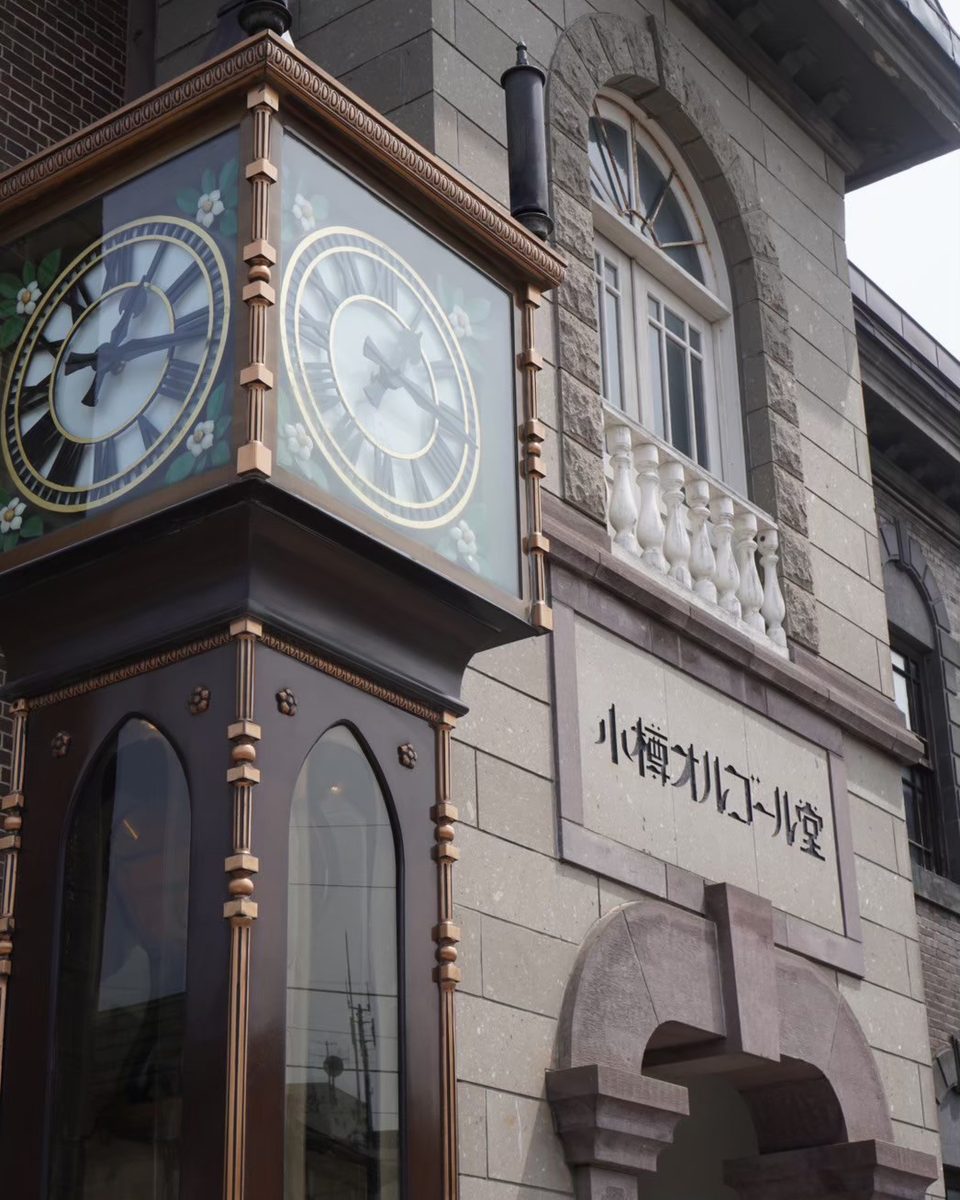
The basic sightseeing axis of central Otaru runs through JR Otaru Station, Sankaku Market, the former Temiya Line, Otaru Canal, Sakaimachi Street and the Minami-Otaru side. On a first visit, the easiest flow is to walk down from Otaru Station to the canal, stroll along Sakaimachi Street, then head back to Minami-Otaru or Otaru Station.
- Otaru StationArrival, luggage, Sankaku Market
- Otaru CanalPhotos, strolling, night views
- Sakaimachi StreetFood walk, glass, souvenirs
- Minami-Otaru or Otaru Sta.Decide your return station
Simplified diagram, not a map (distances are not to scale)
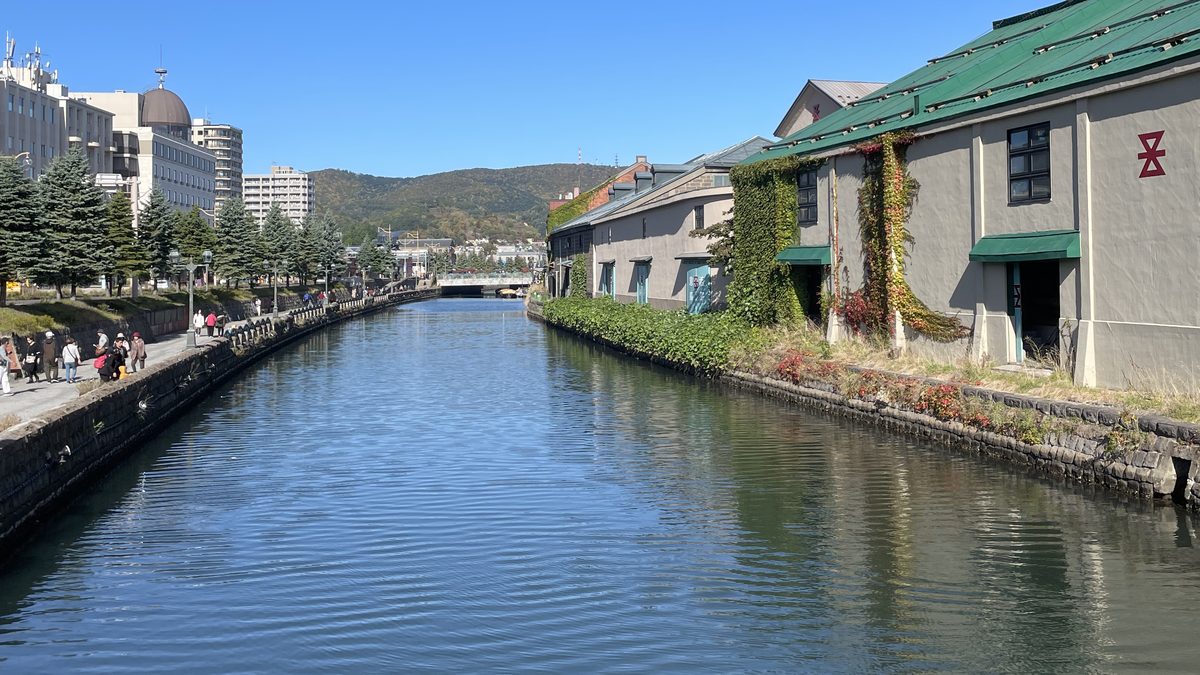
The canal area is ideal for photos, strolling and night views. The complete Otaru Canal area guide helps you decide on the bridges, the warehouse district and the best times for photos.
The area around Otaru Station is good for a meal right after arrival, luggage, Sankaku Market and as a base for your stay. Walking around Otaru Station sorts out what you can take care of within walking distance of the station.
Sakaimachi Street is the place to enjoy food walks, glass, music boxes, sweets and souvenirs all in one go. If food is your focus, the Sakaimachi Street food walk guide is handy; for a short loop near the canal, use the Otaru Canal food walk guide.
| Area | Main purpose | Things to note |
|---|---|---|
| Otaru Station area | Arrival, breakfast, luggage, accommodation | Walking down from the station to the canal is easy, but the way back is a gentle climb |
| Otaru Canal | Photos, strolling, night views | On busy days, crowds gather around the bridges |
| Sakaimachi Street | Food walks, shopping, glass | Restaurants and sidewalks get crowded at peak times |
| Minami-Otaru | East end of Sakaimachi, adjusting your return | Decide in advance whether to go back by JR or on foot |
| Shukutsu | Aquarium, sea views, herring mansion | It's far from the center, so don't overpack a half-day itinerary |
| Asarigawa Onsen | Hot springs, overnight stays, a quiet visit | Easiest to plan if you assume a car or hotel shuttle |
The diagram below shows how the central areas fit together. The sea is at the top: walk down from Otaru Station on the hill (1) to the canal (2), stroll Sakaimachi Street (3) and finish at Minami-Otaru Station (4). Shukutsu (the aquarium, top left) and Asarigawa Onsen (bottom right) are well away from the centre.
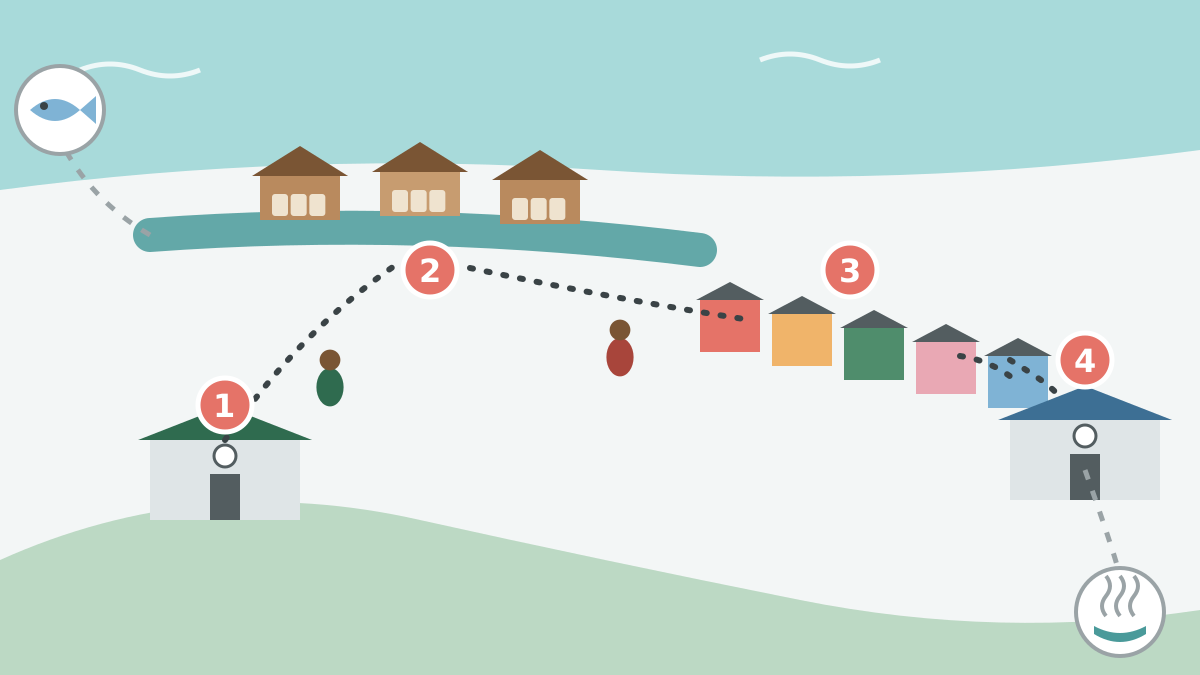
This image was generated by AI for illustrative purposes.
Choose Your Access and Transport by Starting Point
If you're coming from Sapporo to Otaru, whether you use JR, the bus or a rental car changes how you get around after arrival. JR is the simplest if you'll mostly walk around the station, the canal and Sakaimachi; a car is convenient if you'll go out to the suburbs or toward Yoichi.
For comparisons from Sapporo, see how to get from Sapporo to Otaru; from New Chitose Airport, see how to get from New Chitose Airport to Otaru. For how to use buses, walking, taxis and bikes within Otaru, start with the Otaru transportation guide.
If you're coming by car, deciding on a parking lot in advance saves time on the day. The center gets crowded in peak season and on weekends, so check daily maximum rates, distance to the canal and how to avoid the crowds in the Otaru parking guide before you set off.
If you have a lot of luggage, it's practical to decide where to leave it before sightseeing. For how to choose between station lockers and luggage storage, see the Luggage storage near Otaru Station & Otaru Canal (COTARU).
Otaru Model Courses by Length of Stay
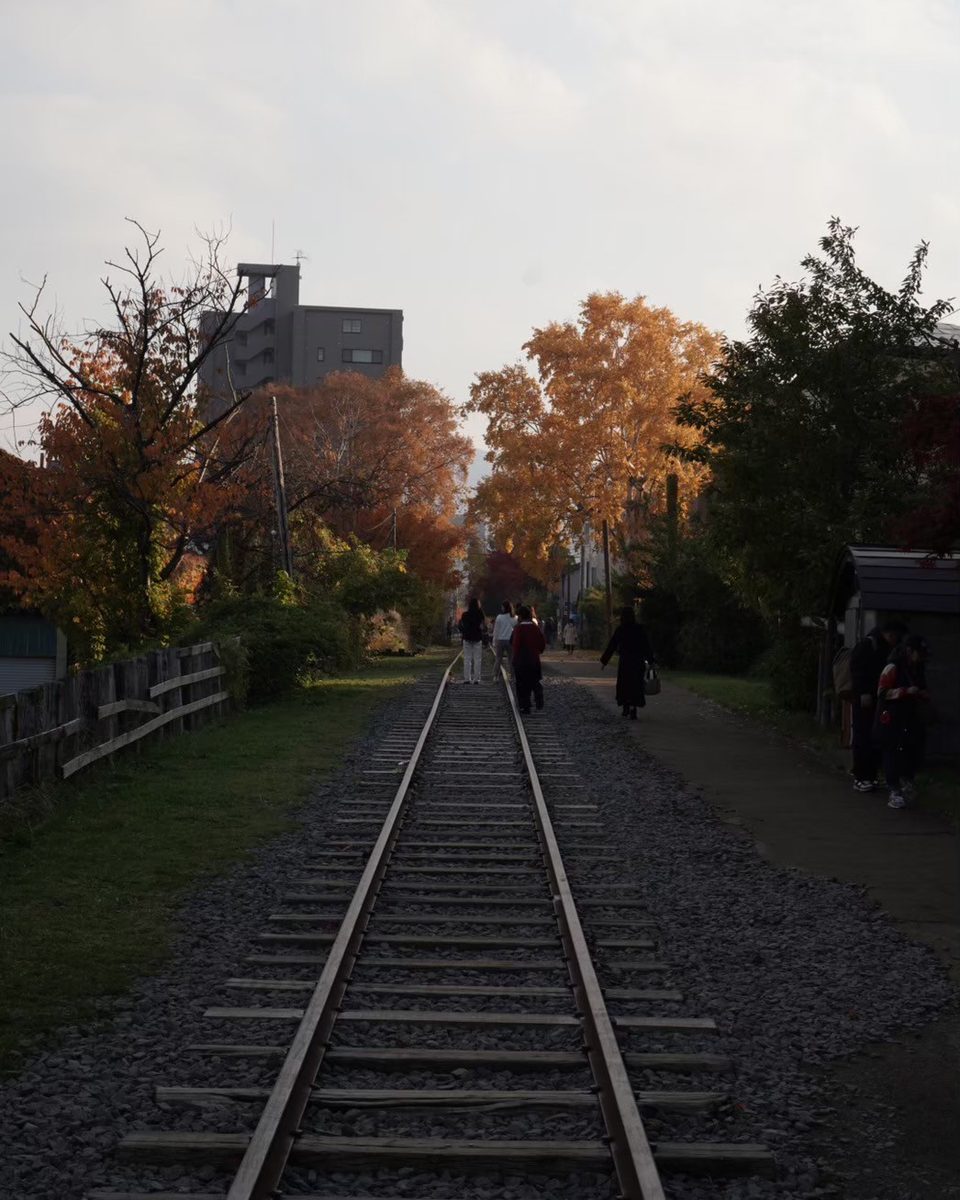
The shorter your stay, the more important it is not to spread out too far. Otaru is a town where "the next sight is just a short walk away," but slopes, shopping and waiting for meals take up more time than you expect.
For half a day, the basic plan is to stick to the canal, Sakaimachi, the former Temiya Line and the Otaru Station area. If you first want to decide whether walking is enough, whether to use public transport or whether to go further on an e-bike, see the Otaru half-day model course. If you've already decided on an electric-assist bike, building your day around the Otaru rental bike half-day course makes it easier to include the North Canal and places a little further out than you could on foot.
With a full day, a good flow is the market or canal in the morning, a seafood bowl or sushi at lunch, Sakaimachi Street in the afternoon, and a hot bath or hotel check-in in the evening. If you'll plan a full day mostly on foot, the Otaru day trip model course is also useful.
- MorningMarket or canal
- LunchSeafood bowl or sushi
- AfternoonSakaimachi Street
- EveningHot bath or hotel check-in
Simplified diagram, not a map (distances are not to scale)
| Length of stay | Realistic plan | What to read |
|---|---|---|
| 2–3 hours | Stick to Otaru Station, the canal and part of Sakaimachi | Complete Otaru Canal area guide |
| Half day | Canal, Sakaimachi, former Temiya Line, plus a food walk or a bike | Otaru half-day model course |
| Full day | Combine the market, canal, Sakaimachi, an activity and a hot bath | Otaru experience guide |
| 2 days, 1 night | Add night views, a hotel, breakfast, hot springs and the Yoichi area | Otaru hotel and ryokan guide |
| School trip | Prioritize meeting times and plan group activities | Otaru school trip group activity model course |
Choose Food, Activities and Hotels by the Purpose of Your Trip
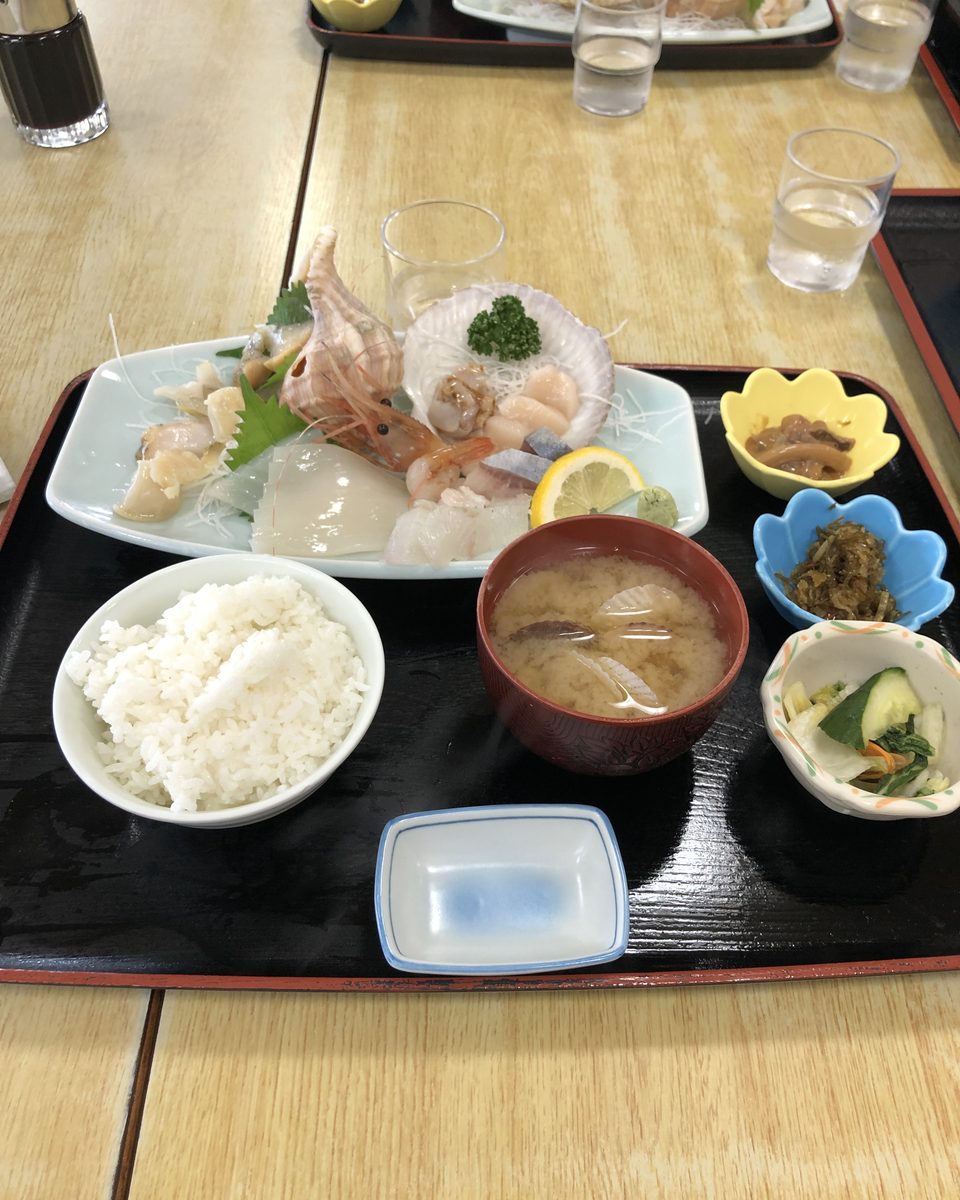
How satisfying your Otaru trip is depends on what you make the main event. If food is the star, lock in your meal times first; if an activity is the star, build around the booking time; and if the stay is the star, think about your evening and the next morning too.
If you want a seafood bowl, waiting times and prices change depending on whether you choose a market, the station area, a sushi restaurant or a lunch spot. For an overall comparison, start with the Otaru seafood bowl lunch guide; if you want to eat one in the morning, see the complete Otaru breakfast guide. If you're also considering sushi, add the Otaru lunch guide to your options.
If you want something sweet, soft serve and spring/summer sweets are easy to fit in. To compare sweets that feel distinctly Otaru, see the Otaru soft serve guide; for seasonal sweets on Sakaimachi Street, see the Otaru spring sweets guide.
Buying souvenirs all at once at the end of your sightseeing keeps your bags lighter. For independent travel, read the Otaru souvenir guide; for school trips by budget, read the Otaru school trip souvenir guide separately.
If you're staying overnight, choose the area based on whether you'll walk the canal at night, relax in a hot spring, or stay near the station to move on the next morning. The Otaru hotel and ryokan guide is an accommodation hub comparing the canal, Otaru Station, Chikko, Shukutsu and Asarigawa Onsen.
Rearrange Your Otaru Trip by Season
Otaru's priorities change with the seasons. Combining cherry blossoms in spring, flowers and seafood in early summer, events in summer, town walks in autumn, and snowy scenery plus indoor activities in winter makes for a more satisfying trip.
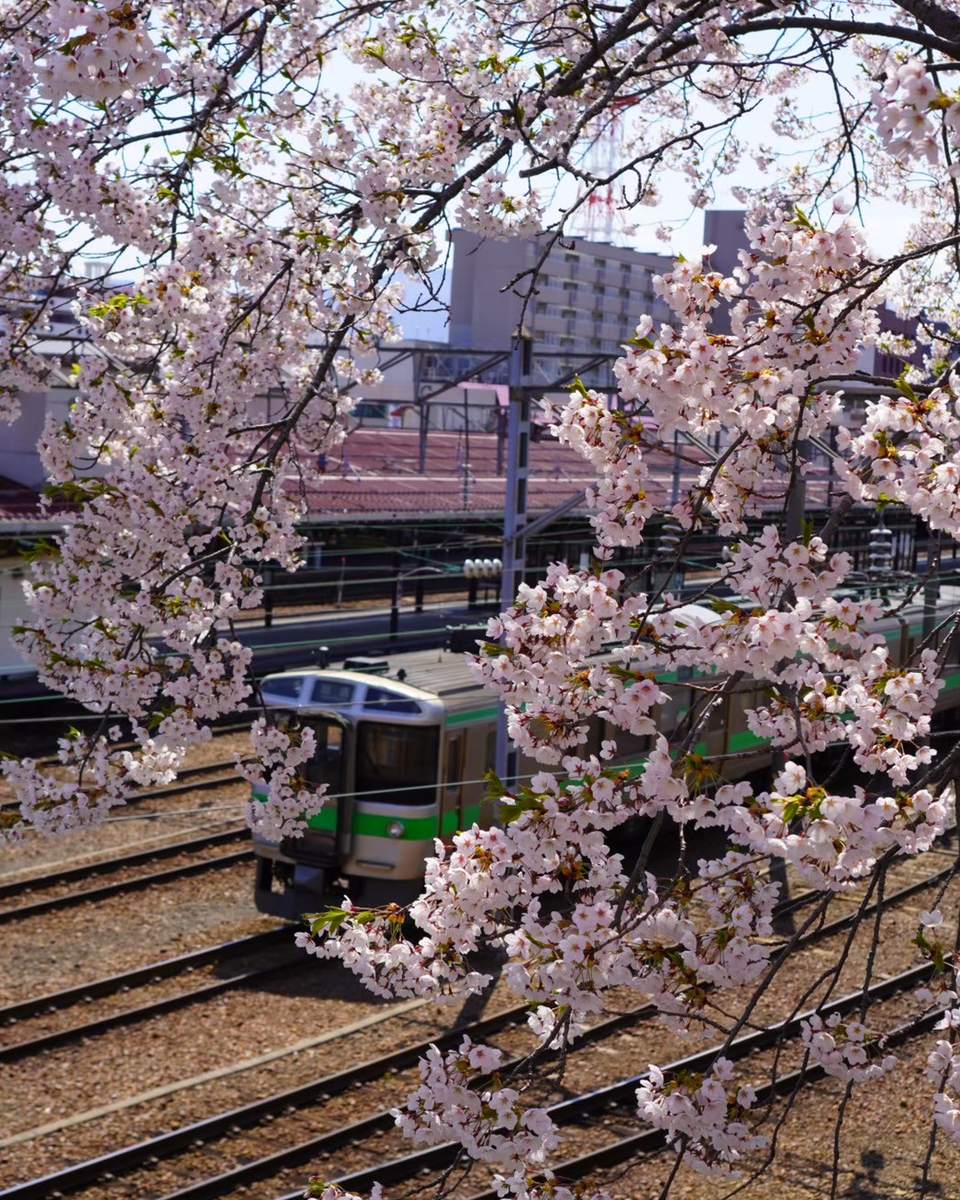
In spring, the Otaru cherry blossom guide and the former Temiya Line tulip season guide are good options. From late May into early summer, there's Otaru Kihinkan's peony garden 2026, and from June it's easier to work in sea urchin season and summer events.
In summer, check the complete guide to Otaru's summer events 2026 to plan around the Ushio Festival, Mt. Tengu, the beaches and your evenings. Hotel prices and crowds change on event days, so check your accommodation and transport early.
On days when the weather looks uncertain, combining indoor activities, cafés, shopping centers and hot baths makes it easier to get around. In Otaru, rain and wind easily change how cold it feels, so for clothing, weather articles such as the Otaru May weather and clothing guide are also helpful.

Planning Otaru by Budget
Setting a budget shows you how to prioritize food, activities, transport and accommodation. A day trip is mostly transport and food; adding an overnight stay makes the hotel and dinner a bigger share.
On a low budget, it's easy to plan around the canal walk, the former Temiya Line, browsing Sakaimachi Street and a mostly takeout food walk. On days with a seafood bowl or sushi, going easy on other snacks makes your budget easier to manage.
If you add activities, count not only the price but also the time needed as part of your budget. Glassmaking, bike rental, hot baths and event admission are all very satisfying, but each uses up travel and rest time.
| How you spend your budget | Best type of trip | Things to note |
|---|---|---|
| Food first | Seafood bowls, sushi, food walks | Allow for waiting times at peak hours |
| Activities first | Glass workshops, bike rental, hot baths | Fix the booking time and travel time first |
| Shopping first | Sakaimachi Street, souvenirs, sweets | Your bags will get heavier, so shop last |
| Accommodation first | Night views, hot springs, breakfast | Your choice of area affects how easily you can move the next day |
| Transport first | JR, bus, car, bike | Consider the weather and slopes, and don't overdo it |
Common Mistakes on a First Visit to Otaru
The most common mistake on a first visit is trying to fit in too many places. The canal, Sakaimachi and the station area look close together, but with photos, meals, shopping and breaks, half a day goes by quickly.
The next most common is underestimating the slopes and the weather. Otaru is a seaside town, and depending on the season the wind can feel strong. Combining buses, taxis, rental bikes and places to rest is more reliable than planning to cover a wide area on foot alone.
As for food, if you set your heart on "just going to the famous place," waiting times can derail your other plans. Have two or three candidates ready, and decide first whether to prioritize a seafood bowl, sushi, a food walk or a café.
As for accommodation, choosing on price alone can make evening travel or the next morning's departure inconvenient. The night views of Otaru Canal, easy transport near the station and the relaxed feel of Asarigawa Onsen are all different, so it's realistic to pick the area that fits your purpose.
Map of Related Otaru Articles
| What to decide next | What to read | Role of the article | Next step |
|---|---|---|---|
| How to spend half a day | Otaru half-day model course | Half-day sightseeing hub comparing walking, public transport and an e-bike | Decide whether walking is enough or whether to go further by bike |
| Half a day on an e-bike | Otaru rental bike half-day course | Tested-route hub with a 3-hour course starting from COTARU | Decide your booking and return times |
| Whether to add an activity | Otaru experience guide | Activity hub comparing glass, cycling, hot baths and food | Check which activities need booking |
| What to eat | Complete Otaru food walk guide | Food walk hub comparing the canal, Sakaimachi and the station area | Decide on your main meal |
| Where to eat seafood | Otaru seafood bowl lunch guide | Seafood bowl hub covering markets, lunch spots and sushi | Narrow lunch down to 2–3 places |
| Choosing souvenirs | Otaru souvenir guide | Souvenir hub comparing sweets, glass and goods | Save shopping for the end |
| Adding something sweet | Otaru soft serve guide | Sweets hub comparing famous soft serve shops | Add one shop to your food walk route |
| Deciding where to stay | Otaru hotel and ryokan guide | Accommodation hub for choosing a hotel by area | Plan your evening and next morning |
| Deciding how to get there | How to get from Sapporo to Otaru | Access article comparing JR, bus and car | Decide your departure time and return trip |
Map
FAQ
How many hours do I need to enjoy Otaru?
On a first visit, half a day is enough for the main areas. If you stick to the canal, Sakaimachi Street and the station area, 3–4 hours works. With a seafood bowl, activities, a hot bath or an overnight stay, a full day or more gives you room.
Which places should I prioritize on my first visit?
Otaru Canal, Sakaimachi Street, the former Temiya Line and the Otaru Station area are the basics. With more time, add Shukutsu, Asarigawa Onsen or seasonal events.
Can I get around Otaru on foot only?
You can cover the center on foot. But slopes and weather can tire you out, so if you want to cover more ground, combining a rental bike, buses and taxis is easier.
Is Otaru better as a day trip or an overnight stay?
From Sapporo, a day trip is plenty. If you want the canal at night, hot springs, breakfast or a trip toward Yoichi, staying overnight suits you better.
Summary
For Otaru sightseeing, start with the canal, Sakaimachi and the Otaru Station area as your core, then expand based on your time and purpose. The realistic approach is the center for half a day, food and activities for a full day, and night views, hot springs and seasonal events for an overnight stay.
For detailed comparisons, see the hub articles on half-day model courses, activities, food walks, seafood bowls, soft serve, souvenirs and hotels. Use this page as your starting point and plan your Otaru trip around your time, the weather, your companions and your budget.