Haskap Picking in Hokkaido 2026 | Farms in Atsuma and Yoichi and When to Go
・
This article contains ads (affiliate links). If you book or buy through these links, COTARU, the operator of this site, may receive a commission.
Haskap is a rare berry that grows wild only in Hokkaido. Its season lasts only about three weeks, and few farms let travelers try real hands-on picking. This guide covers everything that makes it a uniquely Hokkaido experience, from farms in Atsuma, the town with Japan's largest haskap acreage, to farm-direct sales in Yoichi and haskap wine from Chitose Winery.
Key points
- The season runs about three weeks, from late June to mid-July, and ends once the berries are gone
- For real picking, head to Atsuma, Japan's top haskap area; a rental car is the practical way there
- Sunagawa Orchard in Yoichi sells haskap in season, about 25 minutes from Otaru by JR
- Out of season, try haskap wine from Chitose Winery or Morimoto's haskap sweets
What Is Haskap? Getting to Know Hokkaido's Native Fruit
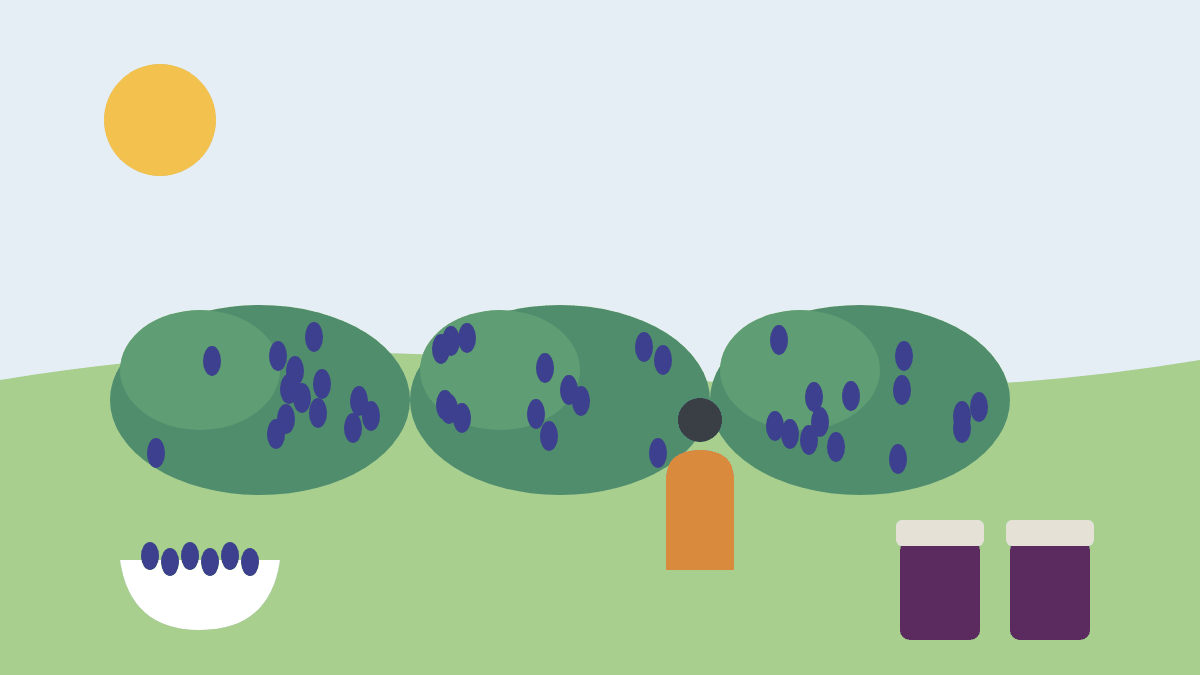
This image was generated by AI for illustrative purposes.
Haskap is a fruit of the honeysuckle family that grows wild in Hokkaido. Its name comes from the Ainu word "hashikap" (something that grows in abundance on branches). It once grew wild across the Yufutsu Plain, Tomakomai, Atsuma and Chitose, and was closely tied to the lives of the Ainu people.
It looks like a blueberry: deep purple and elongated oval in shape. In the mouth, strong tartness and sweetness mingle, leaving a rich, lingering flavor. Its distinctive taste, unlike ordinary fruit, makes it a Hokkaido treasure you won't forget once you've tried it.
Nutritionally, it is rich in anthocyanins (said to be 3 to 10 times more than blueberries), vitamins C and E, iron and calcium. You may hear it called the "fruit of eternal youth," but that name is said to come from commercial promotion by a confectionery company in Tomakomai, and has nothing to do with its deep ties to Ainu culture. Rather than expecting dramatic health benefits, it's best enjoyed as a fruit with a flavor and cultural background unique to Hokkaido.
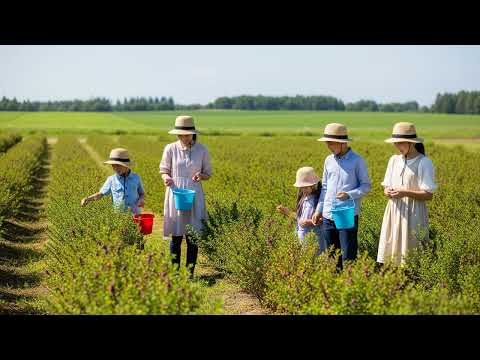
The season is about three weeks, from late June to mid-July. Harvest begins in late June on inland plains and shifts to early or mid-July along the coast and at higher elevations. The peak is around early July, but picking ends once the berries are gone, so be sure to check with the farm before visiting.
- Haskap seasonLate June – mid-July (peak in early July)
- Atsuma harvestLate June – late July
Picking ends once the berries are gone. Check with the farm before visiting
Main Haskap Picking Areas and Farm Guide
Haskap picking in Hokkaido falls into two main areas. The Iburi area (Atsuma) is the heartland, with Japan's largest haskap acreage, while in the Shiribeshi area (Yoichi) some farms offer the experience mainly through direct sales.
- Season lengthAbout 3 weeksLate June – mid-July
- AtsumaNine farmsJapan's top area; go by rental car
- Yoichi (Sunagawa Orchard)About 25 min by JRFrom Otaru; direct sales in season
Iburi Area (Atsuma) — Japan's Top Growing Area
Atsuma has an especially deep connection with haskap, even within Hokkaido. About 40 years ago, farmers transplanted wild haskap from the Yufutsu Plain and began cultivating it; today nine farms are clustered here, making it the largest haskap-producing area in Japan. New, sweeter and easier-to-eat varieties such as "Yushige" and "Atsuma Mirai" are actively being developed, and many visitors come every year during the harvest from late June to late July.
If you're also traveling around the Shiribeshi area for fruit picking in Niki and Yoichi, see our Shiribeshi fruit picking guide too.
Doi Haskap Farm
A farm where you can pick haskap while taking in the countryside scenery. The spacious grounds have parking, portable toilets, hand-washing stations and a rest area, so first-timers can enjoy the experience with peace of mind. Its fields were transplanted from the Yufutsu Plain about 40 years ago, and part of the appeal is feeling the history of haskap farming in Atsuma firsthand.
- Address: Atsuma, Yufutsu District, Hokkaido (see the official website for details)
- Price: from ¥1,500 (as listed on Jalan; checking the latest 2026 price on the official website or by phone is recommended)
- Reservation: not required (the farm may close depending on the harvest; checking ahead is recommended)
- Access: about 30 minutes from Chitose IC on the Do-O Expressway / about 30 minutes from Numanohata-nishi IC on the Hidaka Expressway
- Official site: http://doi-haskap.com/
Haskap Farm Yamaguchi
This farm offers a small-group, weekday-only experience plan limited to five groups a day. You can take your time picking for up to three hours, and a nice bonus is the 250 g of haskap you take home as part of the plan. Reservations are required, so it's a good idea to get in touch early once your travel dates are set.
- Address: Atsuma, Yufutsu District, Hokkaido (see the official website for details)
- Price: ¥1,000 for adults; free for junior high school students and younger (as listed on Jalan; please check the latest 2026 information on the official website)
- Reservation: required (weekday-only plan available)
- Time on site: up to 3 hours
- Official site: https://hasukappu.com/
Atsuma Tourism Association (farm map and list)
Information on the nine farms in Atsuma and a farm map are gathered in one place on the Atsuma Tourism Association's official website. Start here to check the latest information each year.
- Official site: https://atsuma-kankoukyoukai.jp/experience/haskap/
- Farm map: https://www.atsuma-kankoukyoukai.jp/hasmap.html
Yoichi Area — A Farm with Direct Sales and Blueberry Picking
Yoichi has few dedicated haskap farms, but Sunagawa Orchard sells haskap directly during the harvest. Its farm food truck also serves fruit smoothies, making it a good stop while sightseeing in Yoichi. Whether haskap picking is offered varies by year, so call before you visit.
Sunagawa Orchard
Located in Yoichi's "Mikaku no Oka Umekawa" (Hill of Flavors, Umekawa) area, this orchard grows and sells haskap, a fruit native to Hokkaido. It also offers blueberry picking, so you may be able to enjoy both haskap and blueberries in one visit. The farm food truck sells fruit smoothies too, so enjoy one along with a stroll around the orchard.
- Address: 1194 Umekawa-cho, Yoichi, Hokkaido
- Hours: 8:30–17:00
- Phone: 0135-22-4460 / 090-7657-8529
- Note: calling ahead to ask whether haskap picking is offered is recommended (direct sales during the harvest are confirmed)
- Official site: https://sunagawa-kaju.com/hasukappu/
- Access: from JR Yoichi Station on the Hakodate Main Line (see the official website for details)
Tips and What to Bring for Haskap Picking
Here are some on-site pointers that are useful to know before your first haskap picking trip. Preparing well makes the experience even more enjoyable.
Clothing and what to bring
Haskap juice is deep purple and hard to remove once it gets on your clothes or hands. Avoid white or light-colored clothing and wear something you don't mind getting stained. A hat, insect repellent and something to drink are must-haves. Some farm fields have no shade, so don't forget protection from the strong summer UV.
- Clothes you don't mind staining (the juice is deep purple)
- Hat and sunglasses (for the sun)
- Insect repellent
- Drinks and a towel
- Sneakers or comfortable shoes (you'll walk along farm paths)
Picking tips
A ripe haskap is deep purple and drops off with just a light touch. Berries that are firm and still reddish are unripe, so leave them on the bush. Rather than carefully picking one berry at a time, you'll harvest more efficiently by spotting the ripe ones and gently sweeping them off with your fingers.
Rain and end of harvest
How haskap farms handle rainy days varies by farm. If the weather looks unsettled on the day, be sure to phone the farm before heading out. Picking also ends once the berries are gone, so checking ahead is especially important in the latter half of the season (mid-July onward).
Enjoy Hokkaido Haskap Sweets and Products
Even if your trip falls outside picking season, you can enjoy haskap sweets and products all over Hokkaido. Here are three standouts that also make great souvenirs.
Chitose Winery — the home of haskap wine
A long-established winery founded in 1988 that uses 100% Chitose-grown haskap. Its charming building, a stone warehouse made of Sapporo soft stone, leaves a strong impression, and the lineup is varied, including Haskap Sweet, Haskap Sparkling and Haskap Semi-Dry.
- Official name: Hokkaido Chuo Budoshu Co., Ltd. Chitose Winery
- Shop hours: 9:00–17:00 (open daily April–October; weekends and holidays only November–March)
- Factory tour: ¥500 (reserve by the day before) / Premium tasting ¥2,000
- Access: 15 minutes by car from New Chitose Airport; 20 minutes by train plus walking
Morimoto — Haskap Jewelry
A long-selling souvenir first made in 1978. "Haskap Jewelry," which combines haskap jam, buttercream, a cookie and chocolate, ships about one million pieces a year (as reported by the Nikkei) and is one of Hokkaido's signature confections.
- Chitose main store: 4-12-1 Chiyoda-cho, Chitose / 9:00–19:00
- New Chitose Airport store: Sweets Avenue in the Hokkaido Showroom
- Official site: https://www.haskapp.co.jp/
Haskap specialty shop at New Chitose Airport
A specialty shop renovated in February 2023, decked out in vivid haskap blue-purple. It stocks haskap products, ice wine and more, making it ideal for some last-minute shopping before your flight home.
- Location: 2F, New Chitose Airport Domestic Terminal Building
- Official site: https://haskap-hokkaido.com/
Suggested Day Trips Combining Otaru and Shiribeshi Sightseeing
Here are day-trip plans that combine Otaru sightseeing with haskap picking. Atsuma is hard to reach by train, so getting around by rental car is the practical choice.
Day trip from Otaru to the Atsuma farms
In this plan you rent a bike from COTARU in Otaru, explore the city in the morning, return the bike and then drive to Atsuma. Via the Do-O Expressway, it takes about 1.5 to 2 hours from Otaru IC to the Atsuma area (depending on traffic; checking the exact travel time on Google Maps or similar on the day you leave is recommended). Spend two to three hours picking haskap in the afternoon and stop at Chitose Winery on the way back for a full day of Hokkaido haskap.
- Otaru StationExplore by rental bike (morning)
- By car on the Do-O Expressway, about 1.5–2 hours (from Otaru IC)
- Atsuma farmHaskap picking (afternoon)
- Chitose WineryTasting and souvenirs (evening)
- About 15 min by car
- New Chitose Airport
Simplified diagram, not a map (distances are not to scale)
Travel time depends on traffic; check a map app on the day
Otaru Station → explore the city on a COTARU rental bike (morning) → return the bike → rental car or taxi to the Do-O Expressway → haskap picking at an Atsuma farm (afternoon) → tasting and souvenirs at Chitose Winery (evening) → New Chitose Airport or your hotel
Yoichi course (by JR)
Yoichi is easy to reach: about 25 minutes and ¥470 from Otaru Station on the JR Hakodate Main Line. A popular course is to buy haskap at Sunagawa Orchard and combine it with sightseeing at Nikka Whisky Yoichi Distillery and Yoichi's wineries.
Try exploring Otaru by bike with a COTARU rental bike. Touring the canal area and Sakaimachi Street at your own pace is a classic way to see Otaru. For more, see the related articles at the end of this article.
FAQ
When is haskap picking season?
About three weeks from late June to mid-July, peaking around early July. Picking ends once the berries run out, so check with the farm before you go.
How do I get from Otaru to the farms in Atsuma?
Atsuma is hard to reach by train, so a rental car is the practical option. Via the Do-O Expressway it takes roughly 1.5 to 2 hours from Otaru IC, depending on traffic.
Do I need to book haskap picking?
Doi Haskap Farm needs no reservation, but it may close depending on the harvest, so checking ahead is recommended. Haskap Farm Yamaguchi requires a reservation and offers a weekday-only plan for up to five groups a day.
What should I wear?
Haskap juice is deep purple and hard to wash out, so avoid white or light-colored clothes and wear something you don't mind staining. Bring a hat, insect repellent, a drink and comfortable shoes.
Can I pick haskap in Yoichi too?
Sunagawa Orchard in Yoichi sells haskap directly during the harvest. Whether picking is offered varies by year, so call before you visit.
Summary
Haskap season is short, about three weeks from late June to mid-July, and ends once the berries are gone, so be sure to check with the farm before you visit. For a real picking experience, drive to Atsuma, Japan's top growing area; for an easier taste, try the direct sales at Sunagawa Orchard in Yoichi, reachable from Otaru by JR. Even out of season, you can enjoy a uniquely Hokkaido flavor with haskap wine from Chitose Winery or Morimoto's "Haskap Jewelry."