Hokkaido Area Guide ・ Otaru ・ Yoichi ・ Niki
Hokkaido Fruit Picking 2026 | Complete Guide to Yoichi, Niki and Shiribeshi
・
The Shiribeshi area of Hokkaido is one of Japan's leading fruit regions, where you can go fruit picking without a break from early summer to late autumn — strawberries, cherries, blueberries, grapes and apples. Farms are concentrated around Yoichi and Niki, and one of the attractions is the excellent location: a single JR Hakodate Main Line ride from Otaru Station.
This article brings together everything you need to plan fruit picking in Shiribeshi, from a harvest calendar by season to a guide to ten farms by area, plans by situation, and what to wear and prepare. You can also find details on each variety and theme in our dedicated articles.
The Appeal and Character of Fruit Picking in Shiribeshi
The Shiribeshi area of Hokkaido is known as one of Japan's top fruit regions. You can pick and enjoy fruit with strong sweetness, produced by the cool climate and abundant sunshine, straight from the farm.
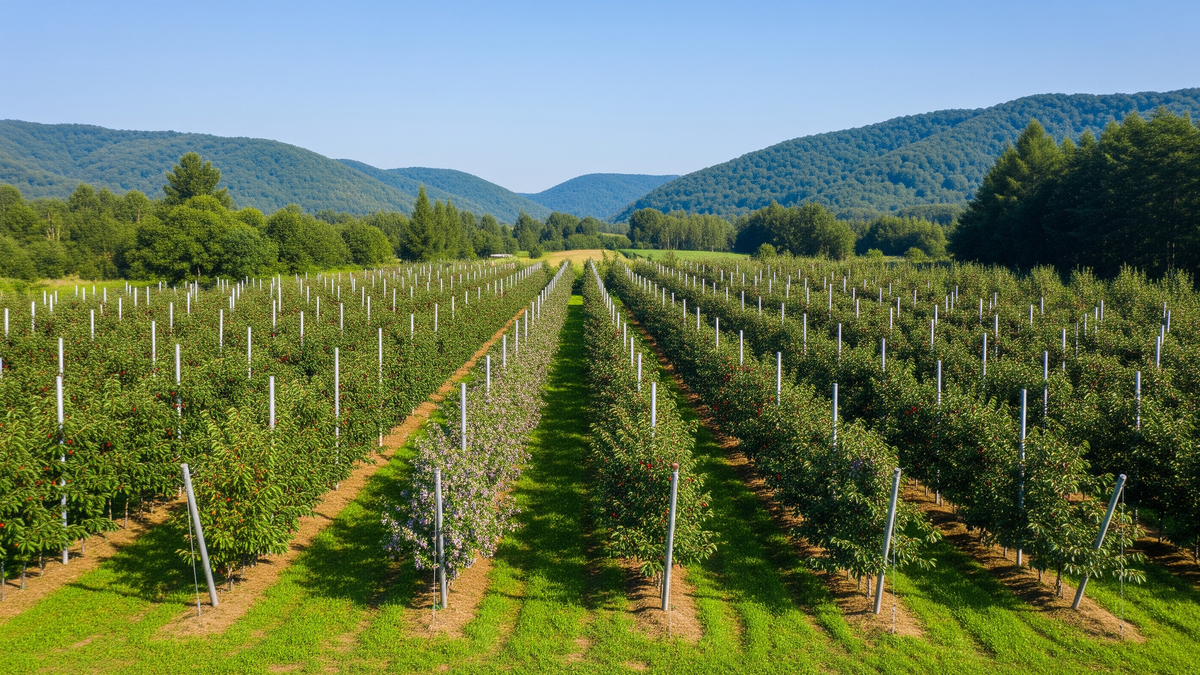
This image was generated by AI for illustrative purposes.
More than 16 farms are concentrated around Yoichi Town and Niki Town. Niki Town is also called the "Fruit Village", and its appeal lies in the variety of fruit and the long harvest season. Starting with cherries and moving on to blueberries, plums, grapes and apples, you can enjoy fruit picking for half a year — a strength unique to Shiribeshi.
Using the JR Hakodate Main Line from Otaru Station, Yoichi Station is about 24 minutes away (¥470) and Niki Station about 30–32 minutes. Being easy to reach without a car is one of the main reasons visitors love it. The farms along National Route 5 are known as the "Fruit Road", and you can also drive around several of them.
In recent years it has become increasingly popular with international visitors, especially from Taiwan and Korea, and bus tour visits are rising. Interest in it as hands-on tourism grows every year.
Harvest Calendar by Season (June–October, Peak Table by Fruit)
In the Shiribeshi area, starting with haskap and cherries and ending with autumn apples, you can pick different fruits over a long period. Each fruit peaks at a different time, so planning around when you visit makes for a more rewarding experience.
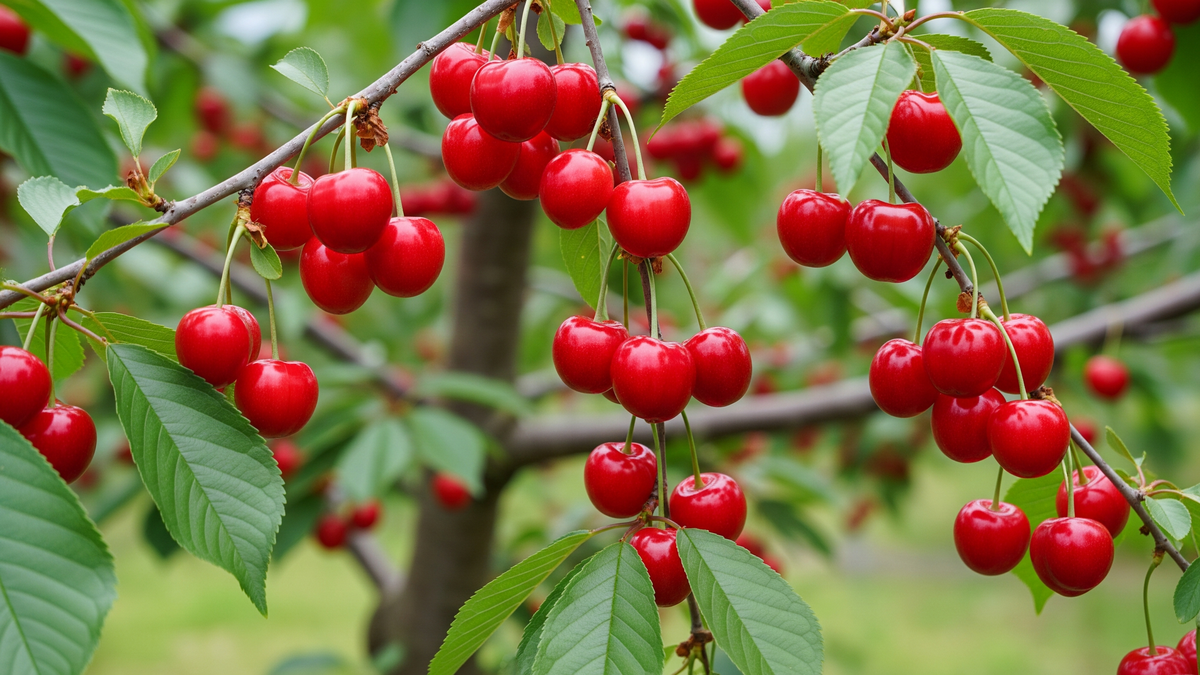
This image was generated by AI for illustrative purposes.
Below is a guide to harvest times in the Shiribeshi area, centered on Niki and Yoichi. Times may shift depending on the farm, variety and the year's weather.
| Fruit | June | July | August | September | October |
|---|---|---|---|---|---|
| Haskap | ◎ | ○ | — | — | — |
| Cherries | ○ | ◎ | ○ | — | — |
| Blueberries | — | ○ | ◎ | — | — |
| Plums and prunes | — | ○ | ◎ | ◎ | — |
| Grapes | — | — | ○ | ◎ | ◎ |
| Apples and pears | — | — | — | ◎ | ◎ |
◎ = Peak / ○ = Available / — = Out of season
Details of each fruit's season are summarized below.
Haskap (mid-June to early July)
A fruit native to Hokkaido, very tart and said to be high in antioxidants. Sunagawa Orchard grows and sells it directly, and you can try picking it. For details, see Hokkaido Haskap Picking 2026 (FR-H-01).
Cherries (mid-June to mid-August)
The fruit most associated with fruit picking in Shiribeshi. The farms in Niki and Yoichi grow many varieties, such as Satonishiki, Benishuho and Nanyo. Sakuranboyama Kanko Noen and Murata Orchard are especially popular.
Blueberries (mid-July to late August)
Mainly highbush varieties, available at farms in Niki and Yoichi. Ripe berries are great eaten fresh, and also for jam or smoothies.
Plums and prunes (late July to September)
Several varieties, such as Oishi Wase and Soldam, come into season one after another. Murata Orchard grows 45 varieties of five kinds of fruit, and the varieties you can pick change with the season.
Grapes and apples (late August to October)
Grapes such as Niagara and Delaware are recommended for autumn visitors. Apples such as Fuji and Tsugaru can be enjoyed through September and October.
Farm Guide: Yoichi Area (4 Farms)
Here are farms in the Yoichi Town area. Access is good, about 24 minutes by JR from Otaru Station (¥470), and some farms are within walking distance of Yoichi Station.
Nitori Kanko Kajuen
A farm with an unbeatable location, about 5 minutes' walk from Yoichi Station. It grows strawberries (Yotsuboshi) in greenhouses, so you can pick even when it rains.
- Address: 1102-5 Noborimachi, Yoichi-cho
- Hours: 9:00–17:00 (last entry 16:30)
- Season: Early April to early November
- Prices: Adults (junior high and up) ¥2,000 / elementary school children ¥1,500 / small children (3–5) ¥700 (all you can eat, no time limit)
- Main fruits: Strawberries, cherries, plums, prunes, grapes, apples and more
- Features: Bookable via Jalan. Free parking for 200 cars. Fresh lamb Jingisukan requires booking 3 days ahead
- Official site: fruits-nitori.jp
Nakai Kanko Noen
A farm with views over the Sea of Japan and the town of Yoichi. It is committed to organic fertilizer, and its fruit, with pronounced natural sweetness, is popular.
- Address: 1383 Noborimachi, Yoichi-cho
- Phone: 0135-22-2565
- Prices: Adults ¥1,200 / elementary school children ¥900 (all you can eat, no time limit; taking fruit home costs extra)
- Main fruits: Cherries, grapes, apples, prunes (late June to around October)
- Official site: nakaikanko.com
- Please check hours and closing days on the official website or by phone
Niwata Fruit Farm
Located near Yoichi Station, a farm where you can enjoy cherries, grapes, apples and more from summer to autumn.
- Address: Noborimachi, Yoichi-cho (near Yoichi Station)
- Season: Early July to early November
- Main fruits: Cherries, grapes, prunes, apples
- Please check the latest status on the official website or by phone before visiting
Sunagawa Orchard
A specialist farm focusing on blueberries and haskap. Fruit smoothies from the farm's food truck are popular, and you can also buy at the farm shop.
- Address: Yoichi-cho ("Mikaku no Oka Umekawa" area)
- Main fruits: Blueberries, haskap (direct sales and picking)
- Official site: sunagawa-kaju.com
Prices and hours change from year to year. Please check each farm's official website or phone for the latest information before visiting.
Farm Guide: Niki Area (5 Farms)
Here are farms in the Niki Town area. About 30–32 minutes from Otaru Station on the JR Hakodate Main Line, it is known as the "Fruit Village" and is one of the largest fruit-growing areas in Hokkaido. More than 16 farms are concentrated here, with an unrivaled range of varieties.
Sakuranboyama Kanko Noen
A tourist farm representative of Shiribeshi, also known as the largest cherry farm in Hokkaido. You can enter without booking on the day, and it has plenty of experience receiving bus tours.
- Address: Minamimachi, Niki-cho (near JR Niki Station)
- Hours: 8:00–17:00 (last entry 16:00)
- Season: Mid-June to late October (no closing days during the season)
- Prices: Fruit picking full course, adults ¥1,500 (no time limit, no booking needed)
- Main fruits: Cherries (Satonishiki, Nanyo, Benishuho, Gold King and more; 20 varieties, 4,000 trees), plums, prunes, grapes, apples
- Phone: 0135-32-2285
- Official site: sakuranboyama.net
Fruit&Tomato Imai Farm
A farm in Niki Town with more than ten cherry varieties. With a wide range including Benisayaka, Satonishiki, Nanyo, Gassan Nishiki and Benishuho, it is a treat for fruit lovers.
- Address: 2-43 Minamimachi, Niki-cho, Yoichi-gun, Hokkaido
- Hours: 8:00–18:00 (summer to autumn season)
- Main fruits: Cherries (10+ varieties), plums (Bungo), grapes. All you can eat, with rain covers
- Phone: 090-1640-1446
- Official site: imaifarm.blue
Murata Orchard
A long-established farm founded in 1884 (Meiji 17), with more than 130 years of history, now run by the sixth generation. It prides itself on an overwhelming range of 45 varieties of five kinds of fruit.
- Address: 12-3 Kitamachi, Niki-cho, Yoichi-gun, Hokkaido
- Hours: Fruit picking 9:00–16:00 (June–October) / farm shop 9:00–17:00 (June–September)
- Prices: Cherry picking, all you can eat with no time limit, ¥1,000; other fruits priced separately
- Main fruits: Strawberries, cherries (15 varieties), grapes, blueberries, prunes (13 varieties) (45 varieties of five kinds in total)
- Phone: 0135-32-2201
- Official site: murata-orchard.com
Senoo Kanko Noen
A farm with a 79-year history, known for reasonable prices set separately for each fruit. You can pick a wide range, from cherries to apples.
- Address: Niki-cho
- Hours: 8:00–17:00 (daily, late June to October)
- Prices:
- Cherry picking (late June to early August): adults ¥1,000 / children ¥800
- Blueberry picking (mid-July to late August): adults ¥600 / children ¥500
- Apple and grape picking (September to mid-October): ¥500–¥700
- Main fruits: Cherries, blueberries, apples, grapes, prunes, peaches, melons
- Phone: 0135-32-2240
- Official site: niki-kajyu.com
Kanko Noen Ohnoen
A farm fully equipped with rain-cover greenhouses, so the weather does not spoil your visit. Its Jingisukan corner (booking 3 days ahead) is also popular, letting you enjoy Hokkaido food along with fruit picking.
- Address: Niki-cho, Yoichi-gun
- Hours: 9:00–16:00 (during the season)
- Season: Late June to late July (cherries) / late August to mid-October (grapes)
- Prices: Cherry picking ¥990 / grape picking ¥770
- Main fruits: Cherries (Satonishiki, Nanyo, Gassan Nishiki and more; 20+ varieties, 1,500 trees), grapes
- Features: Jingisukan corner seats about 200 (booking 3 days ahead). Pets allowed (on a leash)
- Official site: ohnoen.konjiki.jp
Prices, hours and opening information change from year to year. Please check each farm's official website or phone for the latest information before visiting.
Map of the Main Farms
The farm area around Niki Town. Niki's main farms, including Sakuranboyama Kanko Noen, Murata Orchard, Ohnoen, Imai Farm and Senoo Kanko Noen, are concentrated here.
The farm cluster in Niki Town (Google Maps)
The farm area around Yoichi Town. Use it to check the locations of farms near Yoichi Station, such as Nitori Kanko Kajuen, Nakai Kanko Noen and Niwata Fruit Farm.
The tourist farm area in Yoichi Town (Google Maps)
Recommended Plans by Situation
Here are Shiribeshi fruit-picking plans to suit your purpose and style. The best farms and routes depend on group size, season and how you travel.
For families with children
Sakuranboyama Kanko Noen can be entered without booking, and the fruit picking full course (¥1,500) lets you enjoy several fruits. From mid-July to August, when cherries and blueberries overlap, it is especially lively. For detailed plans for fruit picking with children, see FR-X-02: Fruit picking with children.
For day-trippers
A popular course is to take JR from Otaru Station to Yoichi Station, pick strawberries and other fruit at Nitori Kanko Kajuen, and then have lunch around Yoichi Station. Return to Otaru by JR and add a stroll along Sakaimachi Street or around the canal for a well-rounded day.
For a half-day course
A realistic plan is to finish sightseeing in Otaru in the morning, take JR to Niki before noon, enjoy fruit picking and return before evening. Farms are concentrated near Niki Station, so it is easy to try several fruits even in half a day.
For international visitors
Sakuranboyama Kanko Noen and Murata Orchard are especially popular on bus tours from Taiwan and Korea. Being reachable by JR is also appreciated, since you can plan without a rental car. For details on access, see FR-ACC-01: Access guide from Otaru to Shiribeshi fruit farms.
How to Book and Typical Prices
Booking methods and prices differ by farm. In peak season, checking in advance gives peace of mind.
How to book (guide)
| Farm | Fruit picking booking | Method |
|---|---|---|
| Sakuranboyama Kanko Noen | Not needed (walk-ins welcome) | Meals only require booking 4 days ahead |
| Nitori Kanko Kajuen | Bookable via Jalan | Jalan net |
| Murata Orchard | Booking plans available (check whether same-day is possible) | Via Gurutabi and others |
| Ohnoen, Imai Farm | Check official site or phone | Contact the farm directly |
| Senoo Kanko Noen, Nakai Kanko Noen | Phone recommended | Contact the farm directly |
Price guide (fact-checked)
| Farm / fruit | Price (adult) | Format |
|---|---|---|
| Nitori Kanko Kajuen | ¥2,000 | All you can eat, no time limit |
| Sakuranboyama (full course) | ¥1,500 | No time limit |
| Nakai Kanko Noen | ¥1,200 | All you can eat, no time limit |
| Murata Orchard (cherries) | ¥1,000 | All you can eat, no time limit |
| Senoo Kanko Noen (cherries) | ¥1,000 | All you can eat |
| Ohnoen (cherries) | ¥990 | All you can eat |
| Senoo Kanko Noen (blueberries) | ¥600 | All you can eat |
| Ohnoen (grapes) | ¥770 | All you can eat |
Prices and opening information change from year to year. Please check each farm's official website or phone before visiting.
What to Wear and Bring, and Farm Etiquette
Here is a checklist for enjoying your farm visit comfortably, plus farm etiquette.
Clothing and packing checklist
- Comfortable sneakers or light hiking shoes (there are dirt and gravel paths)
- A hat (the sun can be strong even in a Hokkaido summer)
- Sunscreen (sunlight is strong in the highlands and fields)
- Clothes you do not mind getting dirty (fruit juice and soil can stain)
- A light layer (mornings and evenings can be cool)
- Insect repellent (essential at outdoor farms)
- Drinks (for staying hydrated)
- Cash and coins (some farms do not accept cards)
- A small bag or backpack
Farm etiquette (general)
- Do not enter areas other than those designated
- Check each farm's rules on taking fruit home
- In busy periods (July–August), phoning ahead is recommended
- Many farms require booking for Jingisukan and meals (Sakuranboyama and Ohnoen: 3–4 days ahead)
- Check in advance before bringing pets (Ohnoen allows them on a leash)
Summary
The Shiribeshi area of Hokkaido is one of Japan's great fruit kingdoms, where you can go fruit picking without a break for half a year, from haskap and cherries in June to apples in October. At the farms in Yoichi and Niki, you can taste freshly picked fruit in Hokkaido's clear air.
Easy access is another big attraction: about 24 minutes (¥470) from Otaru Station to Yoichi Station on the JR Hakodate Main Line, and about 30 minutes to Niki Station. We recommend enjoying Otaru to the full, then taking the train out to the fruit farms.