Shiribeshi Wild Spring Vegetables | Buy Safely, Avoid Poisoning and Bears
・
In spring, Otaru and Shiribeshi are the season for wild vegetables (sansai) such as wild garlic (gyoja-ninniku) and tara shoots. This guide is for travelers who want to eat them, and for anyone wondering whether to pick their own. It takes the "buy and eat" side.
The short version: for visitors, buying is safer than picking. Fatal poisonings have happened even in Otaru. Using official information, I set out what happened, the picking rules, bear precautions and how the roadside stations in Shiribeshi look. The season changes with year and place, so I do not give months; please check with each shop before you go.
Key points
- Buying wild vegetables is safer than picking them; never eat a plant you cannot identify with certainty
- In Otaru, one person died in 2021 after mistaking meadow saffron for wild garlic
- Picking in national forests without permission is banned, and do not enter bear areas
- Niseko's official pages do not mention wild vegetables; call the farm stand first
Short answer: buying is the safest way
| Situation | Basic approach |
|---|---|
| You want to eat them | Buy at a farm stand or shop. Ask the shop whether stock is available |
| You want to pick them | Unauthorized picking is banned in national forests. With bears and poisoning risks, first-timers should avoid it |
| A plant you cannot identify | Do not pick, eat, sell or give it away |
| You feel sick after eating | See a doctor right away and keep the leftovers |
- Do not pickUnsure plantsWhen you cannot judge if it is edible
- Do not eatRecheck before cookingLook at each stem
- Do not sellOr give awayTell anyone you gave it to
- See a doctorRight awayKeep the leftovers
Poisoning cases from foraging
Wild vegetables and poisonous plants can grow mixed together. Hokkaido's page lists poisoning cases from 2021 to 2026 (Reiwa 3 to 8). Main examples:
| When | Where | Cause | Mistaken for |
|---|---|---|---|
| May 2021 | Otaru | Meadow saffron (1 died) | Wild garlic |
| April 2022 | Otaru | Aconite (presumed; 2 people) | Shaku (wild chervil) |
| April 2024 | Sapporo | Meadow saffron (presumed; 2 died) | Wild garlic |
| April 2026 | Muroran | Aconite (1 died) | Nirinso (wood anemone) |
| May 2026 | Asahikawa | Meadow saffron (1 died) | Wild garlic |
In the 2021 Otaru case, a person ate a plant picked by the roadside near home; vomiting and diarrhea began about six hours later and they died on June 10 (case from the National Institute of Public Health). Meadow saffron is a garden plant, sometimes sold under the name colchicum, and every part of it is poisonous. Otaru City's materials say lily of the valley is also poisonous and could be mistaken for wild garlic.
Look-alikes of wild garlic are not limited to meadow saffron and lily of the valley. The Ministry of Health, Labour and Welfare also lists false hellebores (baikeiso and kobaikeiso) as poisonous plants easily confused with wild garlic and hosta.
If you cannot tell, do not pick it or eat it
Judging by looks or smell alone is dangerous. A report on the Otaru case says meadow saffron lacks the characteristic wild garlic smell and has glossy leaves, but neither the Otaru City nor the ministry materials give a written way to tell them apart. The Hokkaido Institute of Public Health site explains the difference between wild garlic and meadow saffron, and between nirinso and aconite, in videos.
If in doubt, consult your nearest public health center. In Otaru, the contact is the Public Health Center's Environmental Health Section (0134-22-3118).
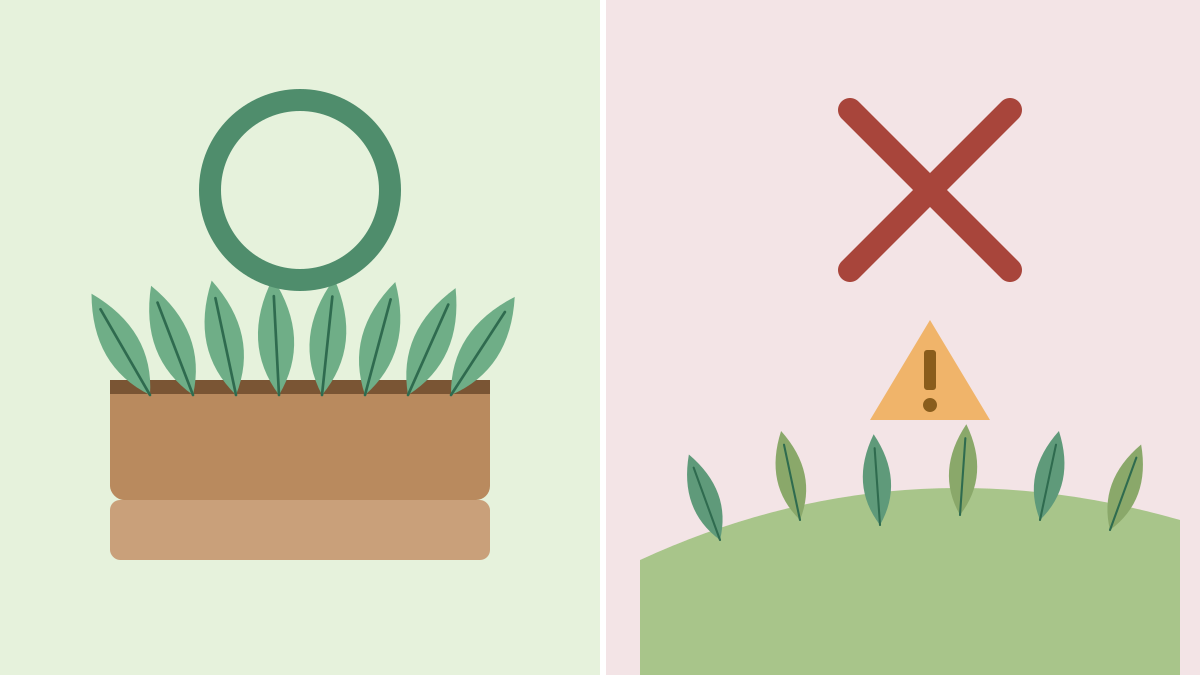
This image was generated by AI for illustrative purposes.
If you enter the mountains: forest rules and bears
According to the Hokkaido Regional Forest Office, picking wild vegetables, mushrooms, trees and the like in national forests without permission is prohibited. Unauthorized picking can be treated as forest theft, and the Forest Act provides up to three years in prison or a fine of up to 300,000 yen. Never enter areas with a restriction sign. If you plan to pick, you are advised to check with the local forest office.
A notice for Shiribeshi national forests asks people to refrain from entering where forest roads are in poor condition or where bears have appeared and it is dangerous. Suggested precautions include calling out to each other in a group, using whistles or a radio, wearing bright colors, and taking all leftovers and garbage home.
The City of Sapporo designated April 1 to May 31, 2026 as a "spring bear caution period" and urges people picking wild vegetables to make voices and noise as they go. Conditions differ by place in Shiribeshi, so check sighting information from the local municipality or police before you decide.
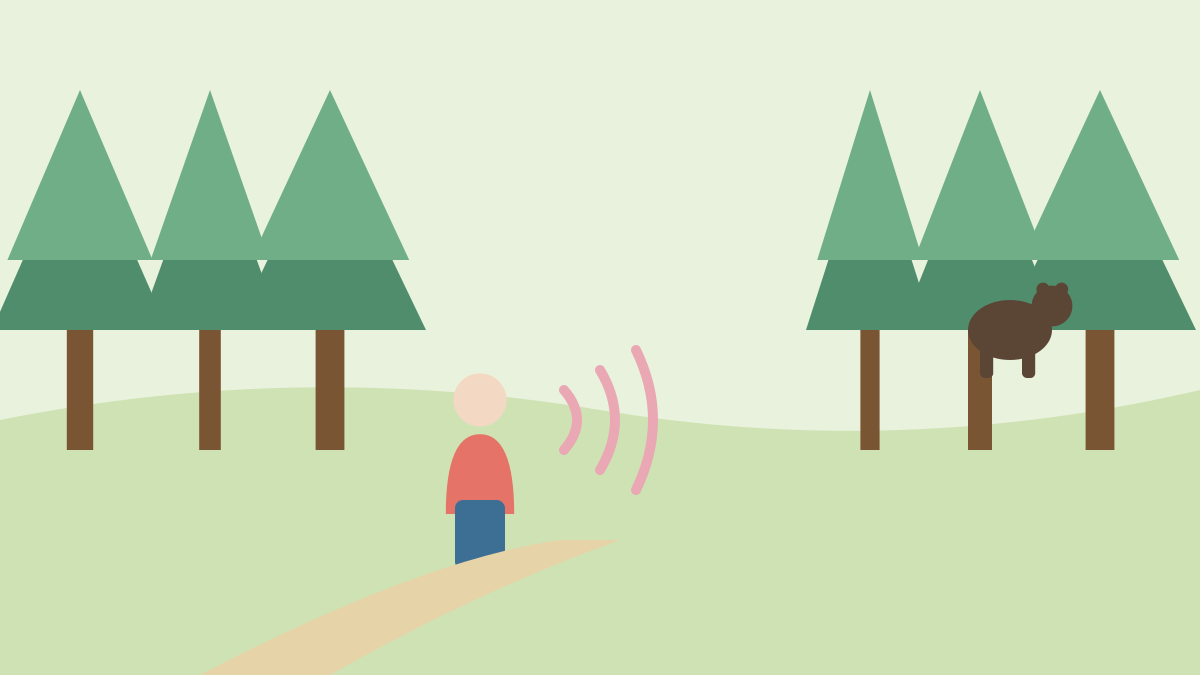
This image was generated by AI for illustrative purposes.
Roadside stations in Shiribeshi where you can buy
This is what I checked on November 7, 2026 on the Hokkaido Michi-no-Eki Association pages. None of the official pages mention wild vegetables. Please ask the shop about spring stock and what is on the shelves.
| Roadside station | Place and phone | Opening (as checked) |
|---|---|---|
| Niseko View Plaza | 77-10 Motomachi, Niseko / 0136-43-2051 | Farm-produce corner 8:30 to 17:00 (late April to October), 9:00 to 17:00 (November to late April). Closed at New Year. Asparagus described as popular in spring |
| Space Apple Yoichi | 6-4-1 Kurokawacho, Yoichi / 0135-22-1515 | Shop 9:30 to 17:30 (Nov 3 to Apr 16, 2027). Closed Mondays in winter. Has a "farm-direct" label |
| Akaigawa | 190-16 Miyako, Akaigawa / 0135-34-6699 | Main building 9:00 to 17:00 (from Nov 1). Closed on the 1st and 3rd Wednesday. Closed in April 2026 and reopened August 8 with temporary operation |
Akaigawa was closed in spring because it had no designated manager (Hokkaido Shimbun). For next spring's opening and farm-stand period, please check the official site or call.
Eating what you bought
Wild vegetables are prepared differently by type, and some need their bitterness removed, so follow the label or the shop's advice. If unsure, simple dishes such as tempura while fresh, or dressed and blanched dishes, are a good choice. Wild garlic has a strong aroma, so starting with a small amount is easier.
I could not confirm wild-vegetable menus at restaurants in Otaru or Shiribeshi from their official sites this time. On the day you want to eat, please check the latest notices on each restaurant's site or social media.
Getting there from Otaru
Driving lets you load purchases and visit several stands. Travel times depend on road conditions, so please check a map app. Trains and buses run infrequently, so look at the timetable in advance. For coming from Sapporo, see the Sapporo to Otaru access guide; for spring roadside station trips, see the Shiribeshi roadside station drive from Otaru. For asparagus in the same season, see the Hokkaido asparagus season guide.
Map
FAQ
Can I pick wild vegetables myself?
Picking wild vegetables or mushrooms in national forests without permission is prohibited, and other places have their own rules from managers and landowners. Bears are also present in mountain areas, so buying is safer than picking for first-timers.
How do I tell wild garlic (gyoja-ninniku) from meadow saffron (inu-safran)?
A report on an Otaru case says meadow saffron lacks the characteristic wild garlic smell and has glossy leaves. But never rely on smell alone. The basic rule is: if you are not sure, do not pick it, eat it or give it away.
What should I do if I feel sick after eating wild plants?
See a doctor immediately. Keep any leftovers, and if you gave some to someone else, check that they are well too.
Are there farm stands in Shiribeshi that sell wild vegetables?
I checked Niseko View Plaza, Space Apple Yoichi and Akaigawa, but found no mention of wild vegetables on their official pages. Stock differs by shop and year, so please ask the shop.
Summary: buy spring wild vegetables and enjoy them safely
For visitors, buying wild vegetables is safer than picking them. Even in Otaru, there have been fatal cases of meadow saffron mistaken for wild garlic, and the basic rule is not to pick or eat anything you are unsure of.
Unauthorized picking in national forests is banned, and many mountains have bears. If you must enter the mountains, go in a group, make voices and noise, and obey restriction signs. The official pages did not say whether wild vegetables are stocked at the roadside stations, so please ask the shop before you go.