Otaru Canal Guide | History, Night Views and How to Walk It
・
This article contains ads (affiliate links). If you book or buy through these links, COTARU, the operator of this site, may receive a commission.
The Otaru Canal is the heart of Otaru sightseeing, a waterside walk. Stone warehouses, gas lamps, canal cruises and the route to Sakaimachi Street are all packed together, so it is the easiest place to start a first visit.
This guide explains what the canal is (its history and size), where to walk and in what order, how day and night differ, and how to add a cruise or the winter lights. Everything was checked against official sites. Times and fares can change, so please check official information before you go.
Key points
- The canal is 1,140 m long and was completed in 1923 on reclaimed land; it is an 8 to 10 minute walk from Otaru Station
- For a first visit, walk Asakusa Bridge and the promenade by day, then return around sunset to see the difference
- There are 63 gas lamps, lit from sunset until about midnight (from 18:00 in June to August)
- Canal cruises take about 40 minutes: ¥1,800 for adults by day and ¥2,000 at night
The Short Answer: Walk by Day, Return Around Sunset
The canal looks very different by day and at night. If you are short on time, walk from Asakusa Bridge along the promenade by day, then come back in the evening to see the lights.
| What you want to know | Answer |
|---|---|
| From Otaru Station to the canal | 8 to 10 minutes on foot |
| Where to start | Asakusa Bridge garden (the classic photo spot, with a tourist information office) |
| Best of the day | The shape of the warehouses, the water and the surrounding streets are easy to see |
| Best of the night | Gas lamps and warehouse lighting (from sunset) |
| Good additions | A canal cruise (about 40 minutes); the Blue Canal in winter |
- Length1,140 mCompleted in 1923 (Taisho 12)
- Gas lamps63Along the promenade
- From Otaru Station8 to 10 min walk8 min per the city, about 10 per the tourism association
What Is the Otaru Canal? A Gently Curving Canal Built on Reclaimed Sea
Otaru Port grew as the gateway to the development of Hokkaido. At first, large ships anchored offshore and cargo was brought in on small boats called lighters. As cargo increased, the stretch where lighters could pull up needed to be longer, so the sea was filled in to make the canal.
It was completed in 1923 (Taisho 12). Because it was made by reclaiming land offshore rather than by digging inland, it is not straight but gently curved. After the war, quays were built in the port and the canal's original job ended, but the warehouses remained. In 1986 (Showa 61), after more than ten years of debate over reclamation, part of the canal was filled in. Half of its width became a road, and the rest became a promenade and small gardens.
The canal you walk today is the result of that compromise. For sightseeing, it helps to think of it less as a place to study history and more as a place to feel the old port's scenery as you walk.
Where to Walk: Asakusa Bridge, the Promenade and the North Canal
The canal splits roughly into the central section with its landscaped promenade and the North Canal, which keeps its original width.
- Otaru Station
- About 8 to 10 min on foot
- Asakusa Bridge gardenThe classic photo spot, with a tourist information office
- North CanalWide water and a working-port feel
Simplified diagram, not a map (distances are not to scale)
Asakusa Bridge garden is the classic spot used in many pictures of the canal. It is busy by day, and there is a tourist information office on the site. For a first visit, it is the easiest place to start.
The promenade has 63 gas lamps. Underfoot, cube-shaped granite stones are set in a ginkgo-leaf pattern, and the fences are modeled on the white birch, the city tree. Four pocket spaces hold reliefs on themes from Otaru's history. Looking at them as you go makes the walk more fun than just passing through.
The North Canal lies at the northern end and is easy to spot because it is wide. Moored boats, warehouses and factories line it, giving a classic port-town view. Nearby are the Former NYK (Nippon Yusen) Otaru Branch, a nationally designated Important Cultural Property, and Canal Park.
The canal is 20 m wide along the promenade beside the road, and 40 m in the North Canal, which keeps its original width.
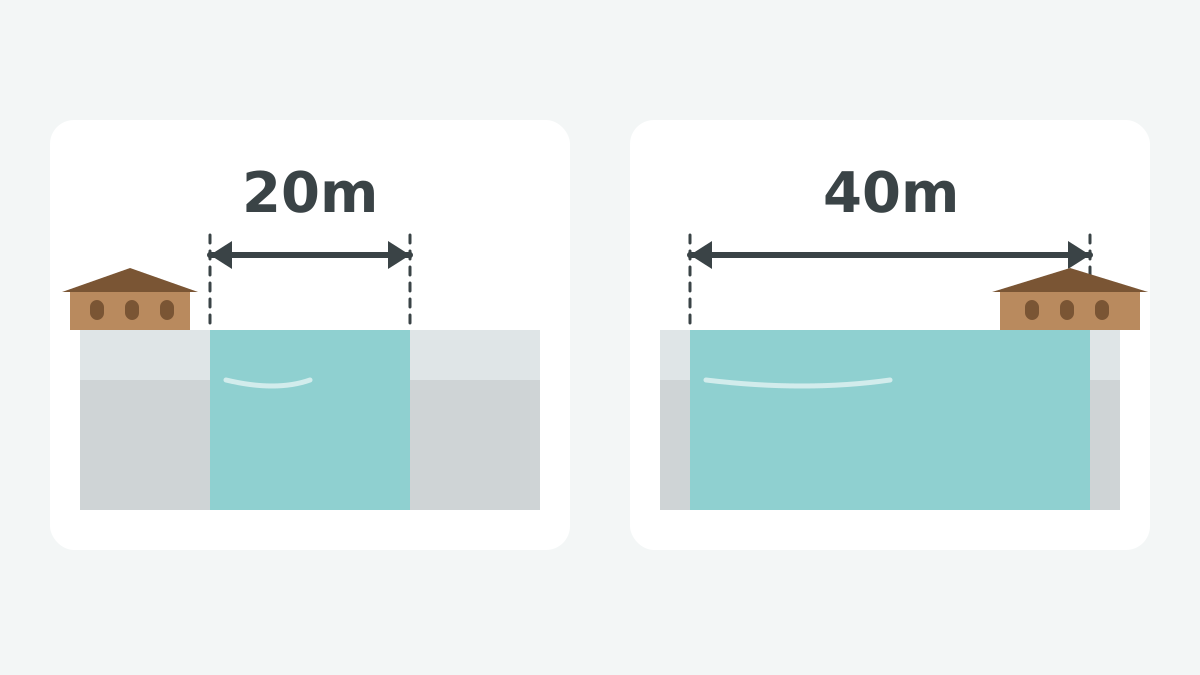
This image was generated by AI for illustrative purposes.
Day Versus Night: Gas Lamps and Warehouse Lighting
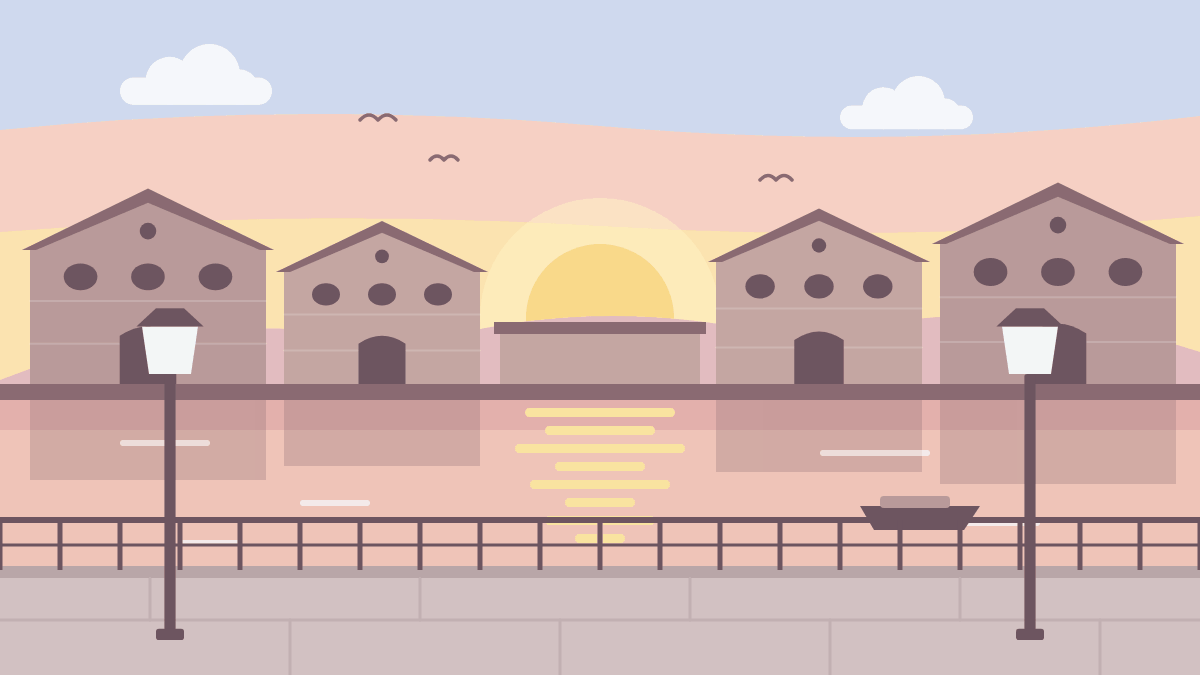
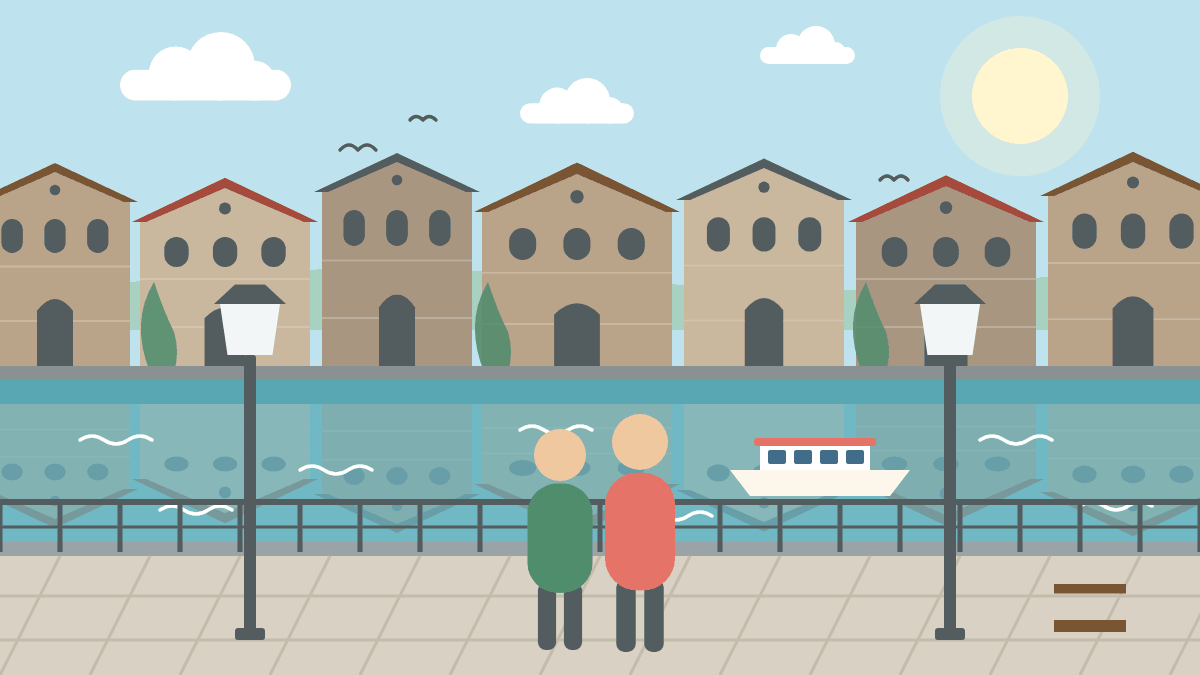
By day, the canal lets you see the shape of the warehouses, the water and the streets around it. On a first visit to Otaru, walking it once by day helps you understand where Sakaimachi Street and Otaru Station are. Many of the warehouses are now used as restaurants and other businesses.
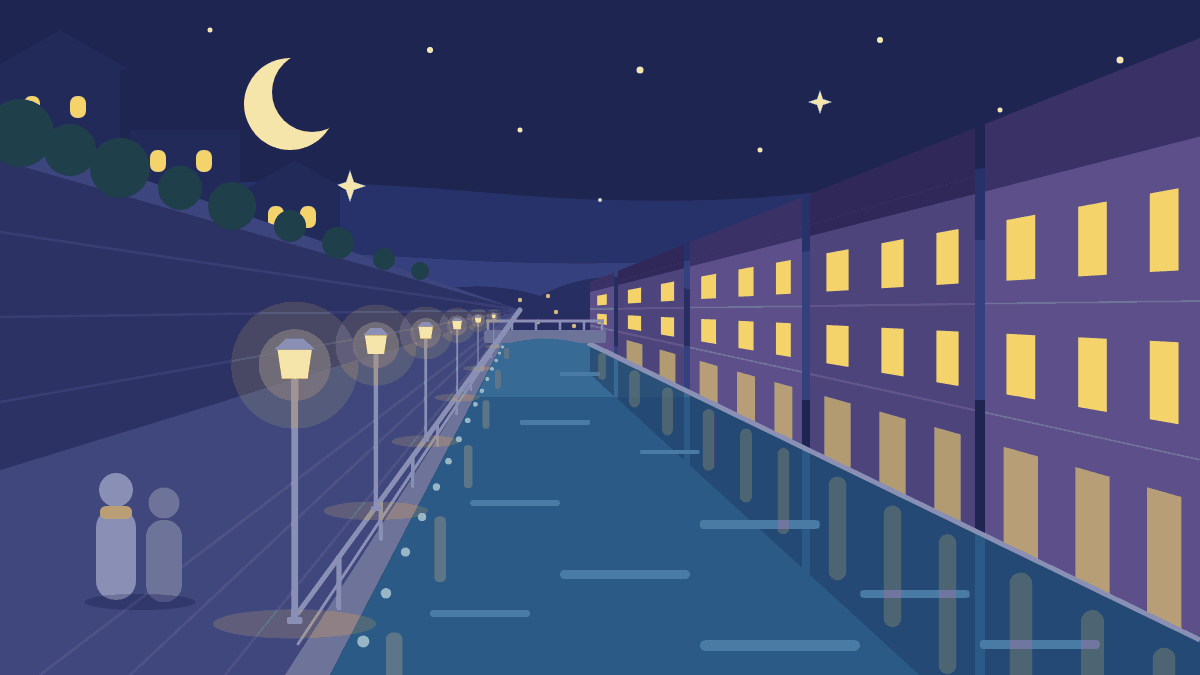
At night, the gas lamps and the warehouse lighting take center stage. According to the Otaru Tourism Association (page posted in 2022), the lighting hours are as follows.
| Place | Lighting hours |
|---|---|
| Gas lamps on the canal promenade | Sunset to midnight in Jan to May and Sep to Dec; 18:00 to midnight in Jun to Aug |
| Gas lamps at Canal Plaza | All year, sunset to midnight |
| Warehouse lighting | All year, sunset to 22:30 |
Sunset changes a lot with the season. In winter the lights come on early in the evening, and in summer not until late, so checking sunset for your day cuts down on waiting. These hours come from a 2022 page, so please check the official site to see whether they have changed.
Several other historic buildings around the canal are also lit at night. The Otaru City page lists the Former Bank of Japan Otaru Branch (now the Museum of Finance), the Former NYK Otaru Branch and the Former Mitsui Bank Otaru Branch, among others. The Former NYK Otaru Branch is not lit while snow lies, because of snow falling from the roof.
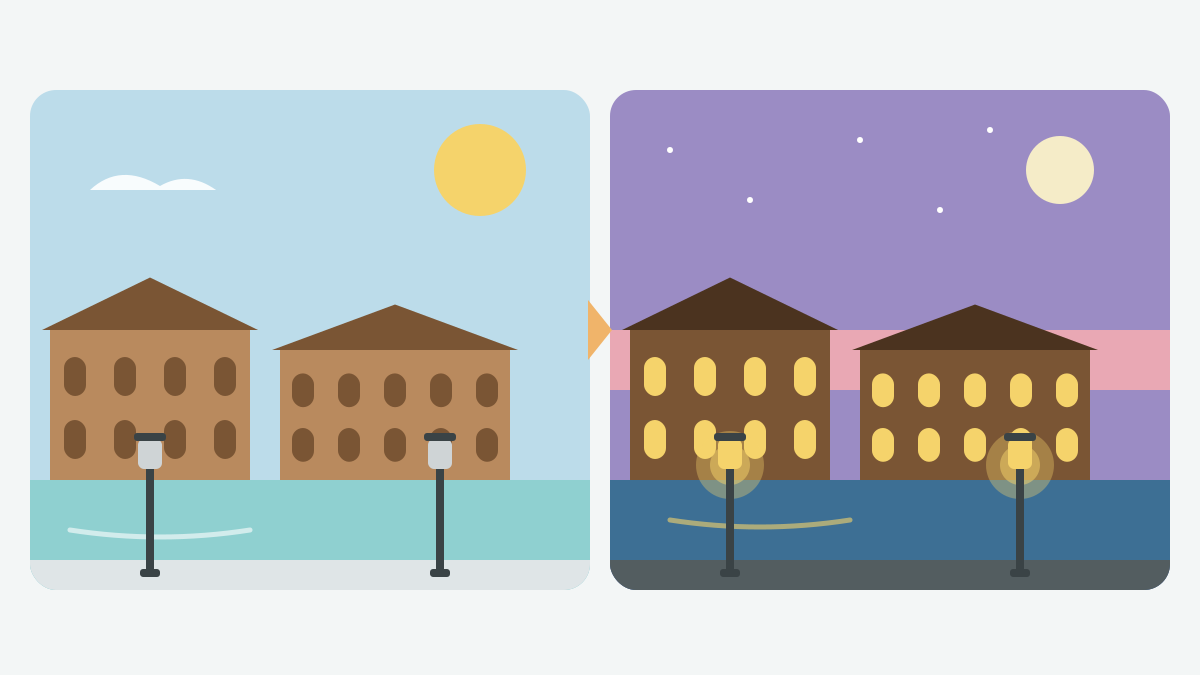
This image was generated by AI for illustrative purposes.
For photos, the time just before and after sunset is best, when color remains in the sky. The lit warehouses reflect on the water together with the sky. If you shoot at night, take care not to block the path.
The Canal in Winter: the Blue Canal and the Snow Light Path
Winter is one of the times when the canal shines most. From Sunday, November 1, 2026 to Sunday, January 31, 2027, the Blue Canal lights the promenade between Asakusa Bridge and Chuo Bridge from sunset to 22:30. The Otaru Tourism Association recommends the blue hour after sunset, when the blue lights and the color of the sky overlap. A night cruise on boats decorated with blue lights also runs.
In 2027, the Otaru Snow Light Path runs from Saturday, February 6 to Saturday, February 13. At the canal venue, floating glass-ball candles drift on the water. For details such as lighting hours, please check the official website.
- Gas lamps and warehouse lightingAll year
- Blue CanalNov 1, 2026 to Jan 31, 2027
- Otaru Snow Light PathFeb 6 to 13, 2027
Winter paths are slippery, so it is safest to plan a shorter walk. The canal is especially cold at night, so bring gloves, a hat and other warm gear.
Seeing the Canal from the Water: Canal Cruises
If you want to see the canal from the water, there are canal cruises. The official website lists a day cruise and a night cruise, both shared boats taking about 40 minutes. You board at Chuo Bridge on the canal.
Infants and toddlers pay ¥500, and one is free per accompanying adult
According to the official website, day cruises leave every 30 minutes from 10:00 to 16:00, and night cruises leave at 16:30, 17:00, 17:30, 18:00 and 18:30. Gather 15 minutes before departure; tickets can be bought online until one hour before. The website says the boats run with a roof in winter.
Operating days and times can change with the weather. For booking and the latest information, please check the official website. The Otaru Canal Cruise guide compares the options in more detail.
Combining the Canal with the Surrounding Area
There are several sights within walking distance of the canal. For a short visit, the simplest route is to walk from Otaru Station to the canal, take photos at Asakusa Bridge and head on to Sakaimachi Street. With half a day, adding a cruise or the former Temiya Line makes for a change of scenery. The Temiya Line opened in 1880 and closed in 1985, and about 1.6 km of its old route is now a walking path. See the Former Temiya Line walking guide for details.
If the night view is your focus, the Otaru night view guide will help. If you have heavy luggage, check where to leave it at Otaru Station first, and you can walk lightly.
COTARU (3-1-1 Inaho, Otaru) is about a 5 minute walk from Otaru Station and the canal. Please use it as a place to rest before or after your canal walk, or as a base to leave your bags.
FAQ
Can I walk from Otaru Station to the Otaru Canal?
Yes. The city says it takes 8 minutes on foot and the Otaru Tourism Association says about 10. Asakusa Bridge, the center of the canal, is an easy walk if you are not carrying heavy luggage.
Should I visit the canal by day or at night?
For a first visit, walk it by day to get your bearings, then come back around sunset. The shape of the warehouses and the water are easiest to see by day, while the gas lamps and warehouse lighting come into their own after sunset.
What time are the canal gas lamps lit?
According to the Otaru Tourism Association (page posted in 2022), the promenade gas lamps are lit from sunset to midnight from January to May and September to December, and from 18:00 to midnight from June to August. The warehouse lighting runs from sunset to 22:30 all year.
How much is a canal cruise and how long does it take?
The official website lists the day cruise at ¥1,800 and the night cruise at ¥2,000 for adults (junior high school age and older), each taking about 40 minutes. Operating days and departure times can change, so please check the official website.
What is on at the canal in winter?
From November 1, 2026 to January 31, 2027, the Blue Canal lights the promenade between Asakusa Bridge and Chuo Bridge from sunset to 22:30. In 2027 the Otaru Snow Light Path runs from February 6 to 13.
Summary: Walk by Day First, Add the Evening Later
The Otaru Canal is a gently curved canal built on reclaimed sea in 1923. For a first visit, walk from Otaru Station to Asakusa Bridge, the promenade and the North Canal, then return around sunset to see how different day and night are.
In winter you can add the Blue Canal (until the end of January 2027), the Snow Light Path (in February) and a cruise. Lighting hours and cruise operations can change, so please check official information before you go.