Walking on Icy Roads in Niseko: Shoes, Spikes and Tips
This guide is for anyone walking on snow and ice for the first time. As Niseko United puts it, snow-covered and icy roads are part of everyday winter life in Niseko. You may be confident on the slopes and still slip on the few minutes' walk from your hotel to dinner. Based on official advice from public bodies in Hokkaido, here's how to walk without falling, where it's most slippery, which shoes and spikes to use, and what to wear so a fall hurts less.
Key points
- Take short steps, keep your whole sole on the ground, and don't rush
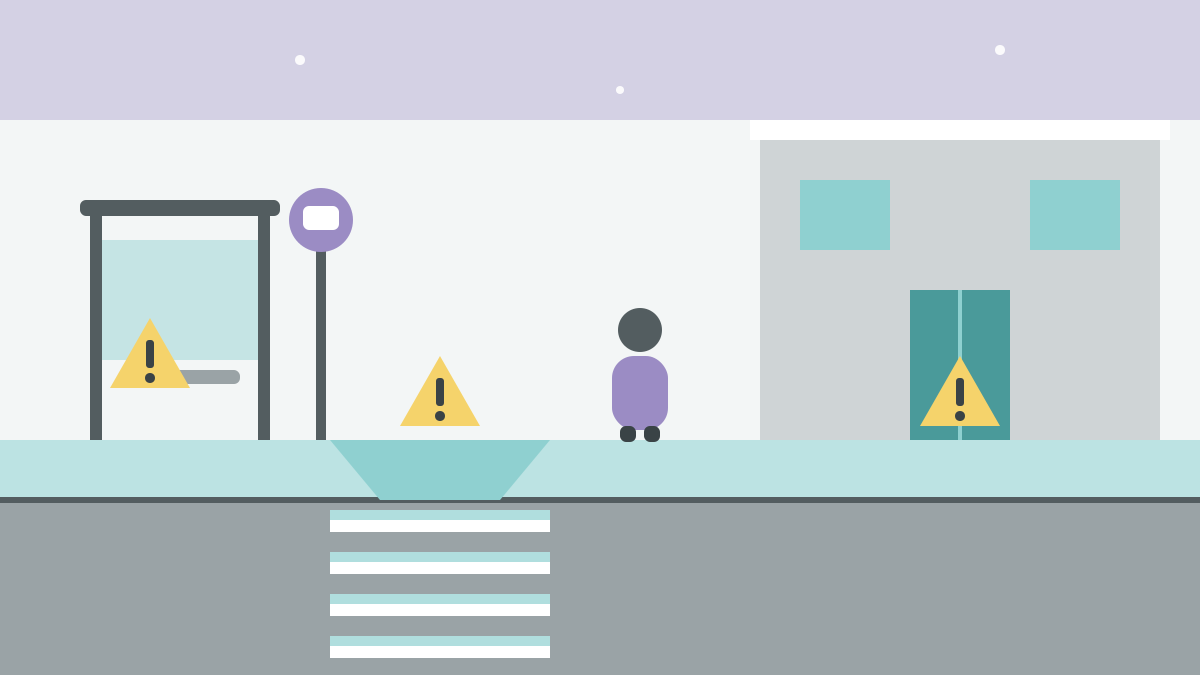
- Crosswalks, bus stops, building entrances and driveways are the most slippery spots
- Wear waterproof, non-slip boots; for a short trip, add slip-on attachments
- Wear a hat and gloves and keep both hands free, not in your pockets
The Short Answer: Short Steps, Whole Sole, No Rushing
- Ambulance calls in Sapporo2,064 peoplefell on snowy roads (Nov 2025–Mar 2026)
- Where they fell79.7%on roads and sidewalks
- Overseas visitors1 in 5have fallen in Hokkaido in winter (survey)
According to the Sapporo City Fire Bureau, 2,064 people were taken to hospital by ambulance after falling on snowy roads in Sapporo between November 2025 and March 2026. Niseko's streets are snowy and icy too. In a survey by the Winter Life Promotion Council (Sapporo's fall-prevention group), one in five overseas visitors to Hokkaido in winter said they had fallen.
| What to do | Details |
|---|---|
| How to walk | Short steps, whole sole on the ground, don't rush |
| Where to be careful | Crosswalks, bus stops and taxi stands, building and underground entrances, driveways across sidewalks |
| Shoes | Waterproof, warm winter boots with non-slip soles. For a short trip, slip-on attachments |
| Clothing | Hat and gloves. Keep your hands out of your pockets and free |
| Avoid | Running, walking while looking at your phone, walking after drinking |
How to Walk Without Falling
This is what the Sapporo City Fire Bureau and the Winter Life Promotion Council recommend.
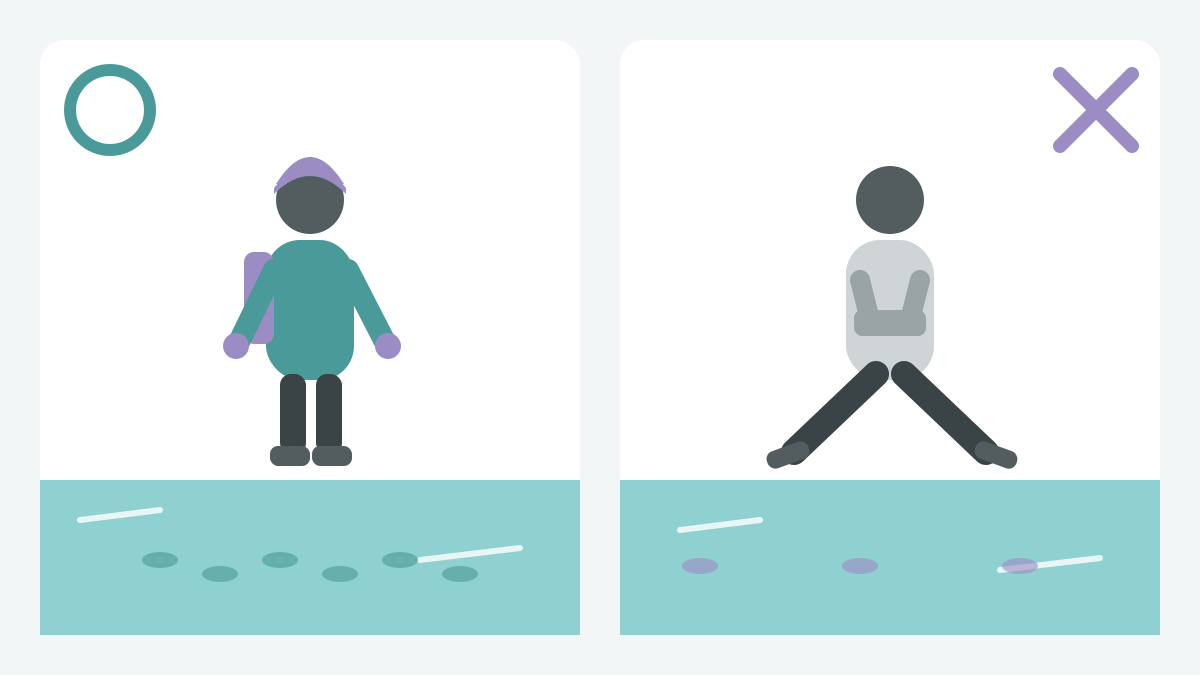
- Take short steps: Long strides put you on your heels and toes, shifting your weight a lot and making you more likely to fall.
- Keep your whole sole on the ground: Keep your feet about 20cm apart and your weight slightly forward.
- Shuffle on slick ice: On glassy ice, shuffle your feet, but lift them slightly so you don't trip.
- Don't rush: Leave plenty of time. Walking slowly lets you spot slippery patches.
- Take care when starting off or changing pace: Be extra careful when you set off again after stopping at a crosswalk, or speed up or slow down suddenly.
The Sapporo Tourist Association also recommends consciously lowering your center of gravity and taking small, sliding steps.
Sapporo City Fire Bureau, fiscal 2025 (November 2025–March 2026). Total 2,064
December has the most cases, followed by February, so take care from the start of the season. By time of day, the fire bureau notes that falls tend to rise between 7 a.m. and around noon, when more people are out. Be especially careful in the morning.
This image was generated by AI for illustrative purposes.
The Most Slippery Spots, and Why
The Winter Life Promotion Council lists these places as especially slippery. The advice is written for Sapporo, but take the same care at similar spots in Niseko and Kutchan.
| Place | Why it's slippery |
|---|---|
| Crosswalks | Snow melted by vehicle heat refreezes and is polished smooth by traffic. Thin ice forms on the white lines, which absorb less water. Ramps down from the curb are slippery too |
| Bus stops and taxi stands | Snow is packed down by people getting on and off |
| Parking lot and gas station entrances | Cars pack and polish the snow, and the sidewalk slopes toward the road |
| Edges of heated sidewalks | The step and the sudden change between heated and unheated surfaces |
| Subway, underground mall and building entrances | Your footing changes suddenly between snow-free and snowy areas |
| Tile floors inside buildings | Snow and ice stuck in your treads, and metal spikes, slide on smooth tiles |
The explanation of Sapporo's "Tsurutsuru" slippery-sidewalk forecast notes that even when main roads look clear, shady side streets can still be frozen. Don't trust a surface just because it looks dry.
Check your footing when waiting for a bus or getting out of a taxi, too (Taxis in Niseko in Winter).
This image was generated by AI for illustrative purposes.
Choosing Shoes and Slip-On Spikes
For more on winter boots, see Niseko Weather by Month and What to Wear. Here are the essentials.
- Three things in a winter boot (Sapporo City Fire Bureau): a non-slip sole, waterproofing so water doesn't soak in, and warmth.
- Skip the sneakers: Niseko United warns that ordinary sneakers quickly get wet, cold and slippery.
- Slip-on attachments: For a short trip, attachments (spikes or cleats) that fit over your shoes are an easy option. The Winter Life Promotion Council says they're sold at department stores, supermarkets and shoe stores in downtown Sapporo, souvenir shops at New Chitose Airport, newsstands and convenience stores. The Sapporo Tourist Association also says most convenience stores sell them. Ask shops in Niseko whether they stock them; buying a pair at the airport or in Sapporo first is the safe bet.
When you walk onto tile floors with attachments on, the metal parts can actually slip. Watch your step as you enter shops and hotels, and take removable attachments off.
Clothing and Carrying Habits That Limit Injury
You can't rule out a fall completely. The Winter Life Promotion Council recommends clothing that keeps a fall from turning into a serious injury.
- Hat: Head injuries are the most common among people taken to hospital after a fall, so wear a thick wool hat that can absorb impact. One that covers your ears also keeps you warm.
- Gloves: With your hands in your pockets, you can't break a fall. Wear warm, waterproof gloves, ideally ones that cover your wrists.
- Keep both hands free: If both hands are full, you can't catch yourself when you slip.
Habits that lead to falls include hurrying, walking after drinking, looking at your phone, a map or the scenery while walking, and having both hands full. When heading back to your hotel after dinner and drinks, walk slowly or take the free bus or a taxi (Getting Around Niseko in Winter).
If You Fall or Get Hurt
- Emergency: Ambulance 119, police 110.
- Advice: JNTO's Japan Visitor Hotline (050-3816-2787, or +81-50-3816-2787 from overseas) runs 24 hours a day, 365 days a year, in English, Chinese and Korean.
- If you hit your head or the pain is too bad to stand, don't force yourself to walk. Call for help.
In Sapporo, "sand boxes" stand at major intersections and near subway stations, and anyone can spread the anti-slip sand from the bags inside (City of Sapporo). Handy to know if you're heading on to Otaru or Sapporo after Niseko. For winter in Otaru, see Otaru Winter Half-Day Model Course, and for what to pack for Hokkaido, see the Hokkaido Packing Guide by Season.
Map
FAQ
How should I walk on icy roads?
Take short, slow steps and try to keep the whole sole of your shoe on the ground. Sapporo's fire bureau also suggests keeping your feet about 20cm apart and your weight slightly forward. On very slick ice, shuffle, but lift your feet slightly.
Where can I buy slip-on spikes for my shoes?
According to the Winter Life Promotion Council, non-slip attachments are sold at department stores, supermarkets and shoe stores in downtown Sapporo, souvenir shops at New Chitose Airport, newsstands and convenience stores. Ask shops in Niseko whether they stock them.
Can I wear spikes indoors?
Be careful: the metal parts of slip-on attachments can slide on tile floors. Watch your step on tiled floors in buildings and underground malls, and take removable attachments off.
What should I do if I fall and get hurt?
In an emergency, call 119 for an ambulance. You can also call JNTO's Japan Visitor Hotline (050-3816-2787), available 24 hours in English, Chinese and Korean.
Summary
On icy roads, take short steps, keep your whole sole on the ground and don't rush. Crosswalks, bus stops, building entrances and driveways are the most slippery spots. Wear waterproof, non-slip winter boots or add slip-on attachments, put on a hat and gloves, and keep both hands free.