Hokkaido Area GuideChitose & New Chitose Airport
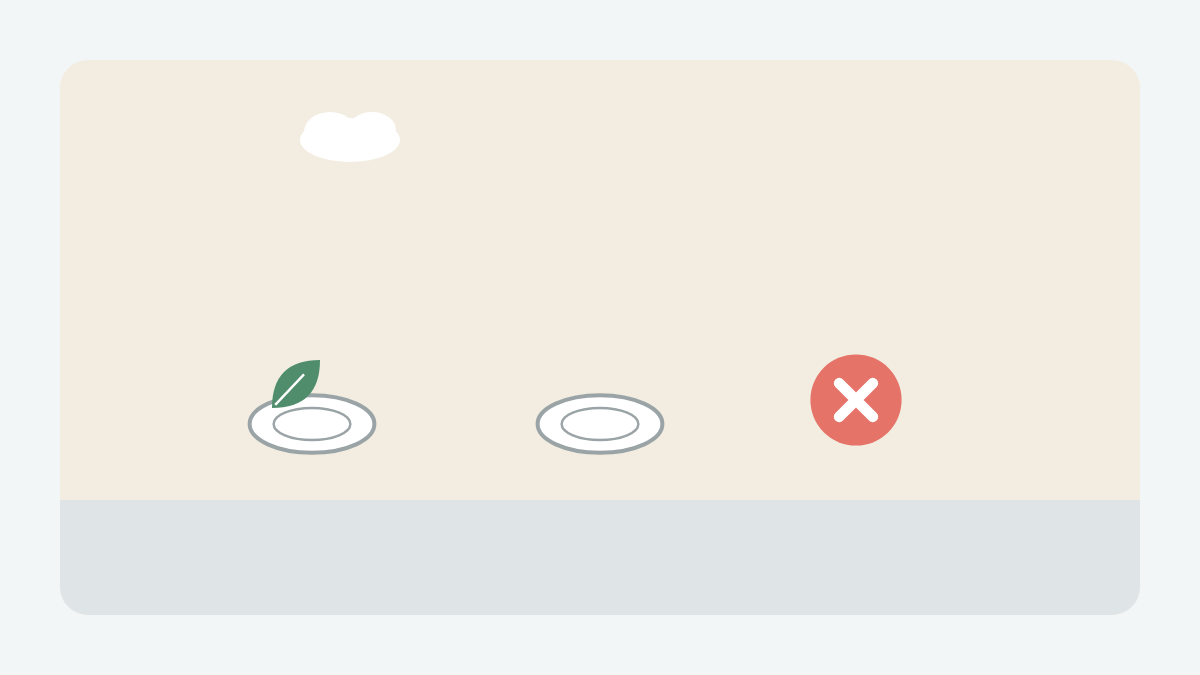
Food You Can't Bring into Japan | Rules on Meat, Fruit and Vegetables, and Penalties
Want to bring ham or fruit home from abroad? Know first which foods can't be brought into Japan. This guide summarizes the animal and plant quarantine pages for people entering Japan.
Key points
- Meat and livestock products can't come in, even as souvenirs, without an inspection certificate; ham, sausage, jerky and meat buns are included
- Most fruit and vegetables are banned; don't take raw fruit or vegetables from an in-flight meal off the plane
- Animal and plant quarantine checks happen at the arrival airport; items opened before inspection can't be brought in
- Illegal import can mean a fine of up to 3 million yen or up to 3 years' imprisonment
The Short Answer: Meat Products and Fruit/Vegetables Are Generally Banned
| Item | Rule |
|---|---|
| Meat and livestock products | Can't be brought in, even as souvenirs, without the exporting government's inspection certificate |
| Fruit and vegetables | Most are banned |
| Seedlings, seeds, grains, beans, etc. | Exporting government's phytosanitary certificate required |
| Soil | Banned |
| Penalty | Fine up to 3 million yen or up to 3 years' imprisonment |
Meat and Livestock Products
Many countries have foot-and-mouth disease or African swine fever, so most meat and animal-derived products can't be brought in.
- Covered: meat and organs (raw, chilled, frozen, cooked), jerky, ham, sausage, bacon, meat buns, eggs, dairy products (except in carried baggage) and more
- Even souvenirs or food for personal use need an inspection certificate from the exporting country's government, with both the certificate text and the approval mark
- Finished goods such as leather bags and wool sweaters aren't covered
- Even a permitted product can't be brought in if it was opened before inspection
Fruit, Vegetables and Plants
Most fruit and vegetables are banned, regardless of amount or whether commercial or personal, in baggage, cargo or international mail. Seedlings, seeds, grains and beans need the exporting government's phytosanitary certificate, and soil can't be brought in. In-flight meals with raw fruit or vegetables can't be brought in either, so eat on board and don't take leftovers off the plane.
Checks on Arrival
You are inspected at the animal quarantine counter in the customs hall of the arrival airport. Inspectors may ask questions, ask to see your bags or use detector dogs. Recording passport and boarding pass details can take time. The declaration form also asks about meat products and animals or plants, so answer correctly.
Penalties
Since the July 2020 amendment, illegal import can bring a fine of up to 3 million yen (up to 50 million yen for a company) or up to 3 years' imprisonment. Officers can dispose of illegally brought livestock products, and serious cases are reported to the police.
For the duty-free range, see Duty-free allowance when entering Japan; for declaring, Visit Japan Web; for the arrival flow, Arrival procedures at New Chitose Airport.
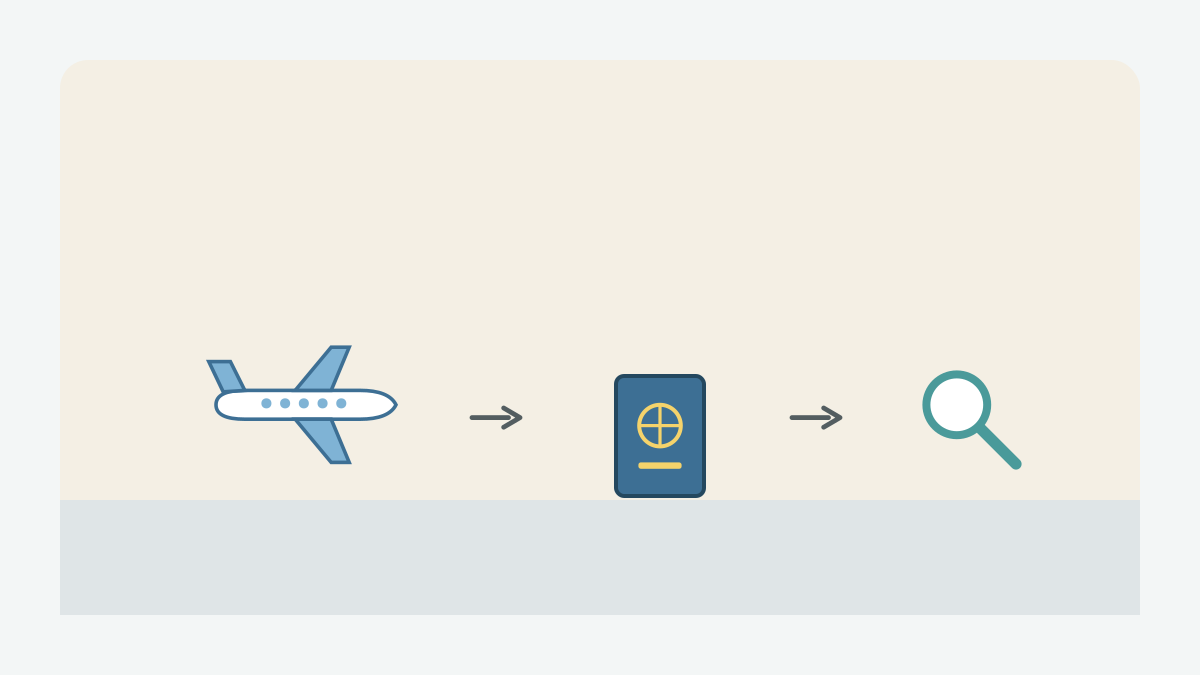
This image was generated by AI for illustrative purposes.
Map
FAQ
Can I bring ham or sausage as a souvenir?
Not without an inspection certificate, even for personal use. Jerky, ham, sausage, bacon and meat buns are included.
What about fruit?
Most fruit and vegetables are banned. Examples: mango, lychee, guava, citrus, pears and apples.
What about fruit from an in-flight meal?
In-flight meals containing raw fruit or vegetables can't be brought in. Eat on board and don't take leftovers off the plane.
What if I don't declare?
Illegal import can bring a fine of up to 3 million yen or up to 3 years' imprisonment.
Summary
You can't bring meat and other livestock products (without an inspection certificate) or most fruit and vegetables into Japan. Inspection happens at the arrival airport, and illegal import can bring a fine of up to 3 million yen or up to 3 years' imprisonment. When in doubt, leave it behind.