Hokkaido Area Guide ・ Chitose & New Chitose Airport
New Chitose Airport Crowd Guide | Golden Week, Obon and New Year
・
New Chitose Airport gets crowded during Golden Week, Obon and the New Year holidays. Hokkaido trips, family homecomings and inbound travel all overlap, and waiting times jump at once for parking, security, restaurants, souvenir shops, and JR trains and buses.
This article splits the places where things tend to jam at New Chitose Airport in peak season into four areas and sorts out how to avoid them. It is a practical guide especially for people preparing before Obon, travelers heading home from an Otaru trip, and drivers dropping someone off.
The short answer: the crowds start outside the airport
The typical peak-season mistake is to watch only the security checkpoint. In reality, you lose a little time at several points: before entering the car park, at the drop-off lane, at check-in, at food and souvenir shops, at security and at the gate.
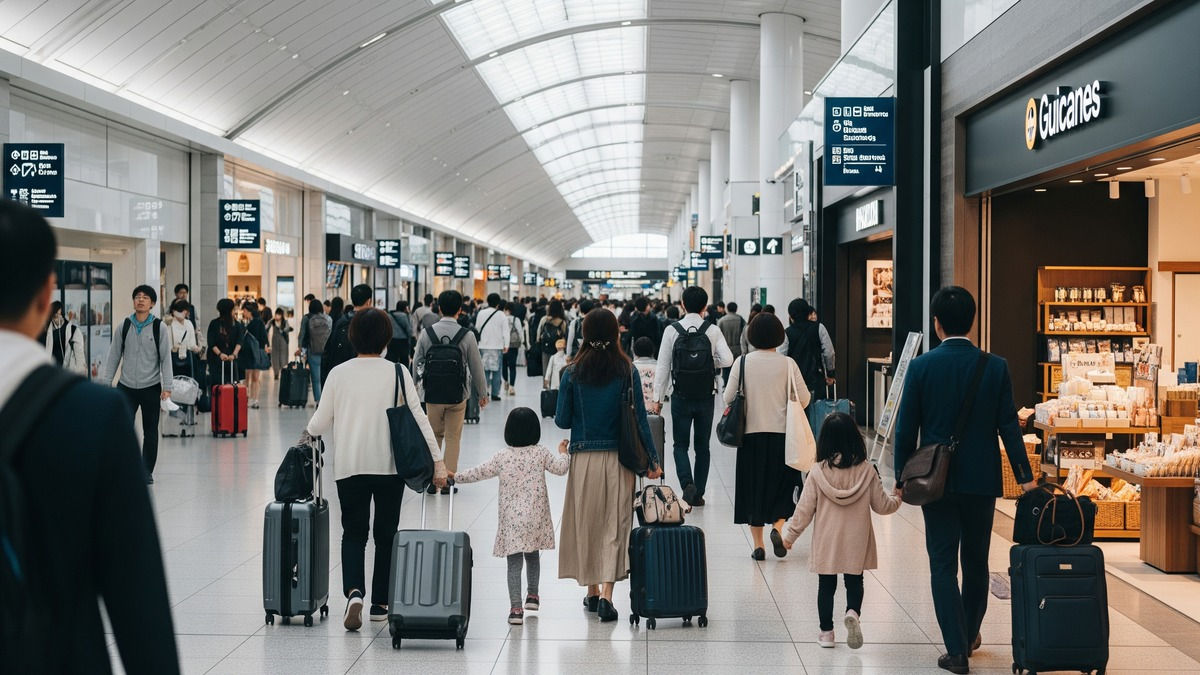
This image was generated by AI for illustrative purposes.
If you are driving, decide the time you will reach the car park, not the time you will reach the airport. If you are taking JR, allow for crowding on the Rapid Airport train and for the walk from the station to the departure lobby. With children or large luggage, add even more margin.
| Where it jams | What happens | How to avoid it |
|---|---|---|
| Car parks and drop-off lanes | Waiting to enter, pick-up cars bunching up | Reserve A or B, use public transport, check temporary car parks |
| Check-in | Waiting to drop bags | Check in online, carry less luggage |
| Food and souvenirs | Queues at registers, full restaurants | Buy first, shift your timing |
| Security | Long lines, deadlines closing in | Go through early, don't leave shopping until last |
Parking: reservations and last-minute info are key
According to the official airport information, Car Park A has 1,800 spaces, Car Park B has 2,416 and Car Park C has 1,011. Car Parks A and B have an online reservation service, but same-day reservations are not available.
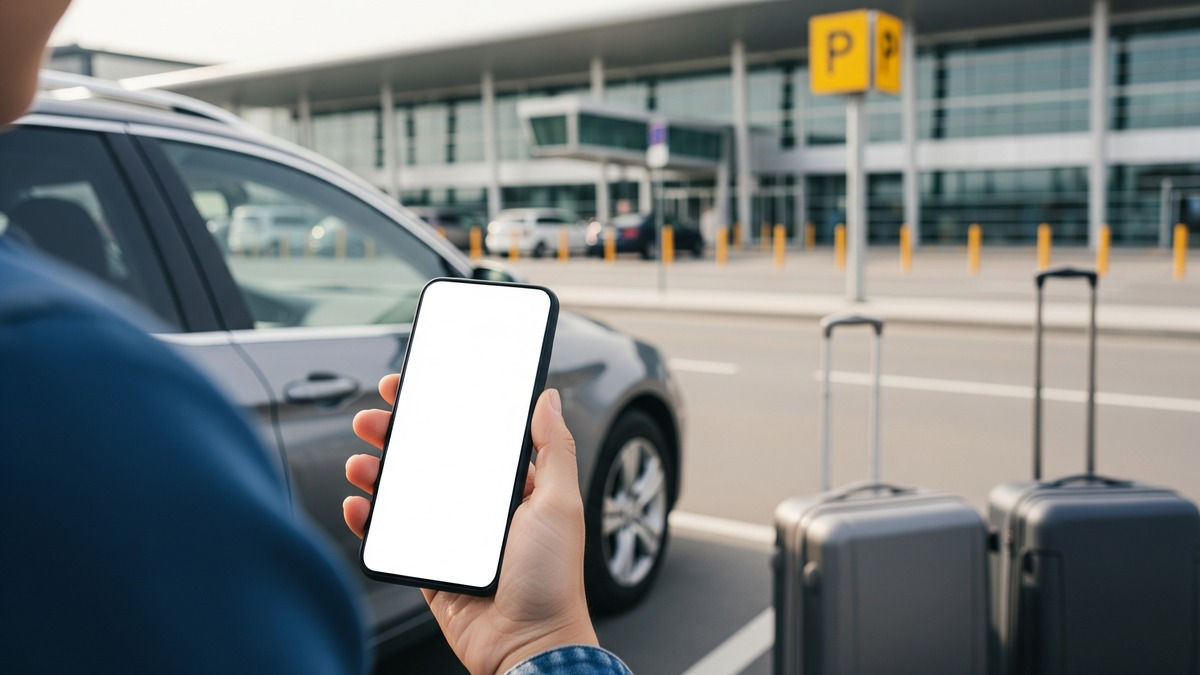
This image was generated by AI for illustrative purposes.
Reservations for Car Parks A and B open 30 days before, counting from the day before your planned exit date. If you will drive in peak season, check parking as soon as you book your flight. Car Park C has no reservation service; you take a free shuttle bus to the terminal.
Check the fee categories too. According to the official information, the busy period includes weekends, public holidays, Obon and the New Year, and the 24-hour maximum fee for Car Parks A and B is ¥3,500 in the regular period and ¥4,500 in the busy period. Reserved spaces cost an extra ¥1,000 reservation fee.
Even if you are only dropping someone off, the drop-off lane and surrounding roads can take time. The official parking notices list temporary car parks and crowd forecasts, so always check them the day before you leave.
Go through security early, not "after shopping"
In peak season, people sometimes spend so long choosing souvenirs that the security deadline closes in. New Chitose Airport in particular has many sweets shops, seafood stores, character attractions and restaurants, so shopping alone easily takes 30 to 60 minutes.
In April 2026 the airport also officially announced the introduction of smart lanes at the domestic North Security Checkpoint. Measures to ease congestion are progressing, but peak-season waits do not drop to zero. Check the official notices and the on-site displays, and head early to whichever checkpoint is less crowded.
Before security, sort out liquids, blades, power banks and ice packs in your bags. If you buy seafood souvenirs or ice packs, ask at the shop how they are handled for carry-on and checked baggage, and you are less likely to be stopped at security.
Food and souvenirs: avoid the peak hours
In busy periods, restaurants fill up at lunchtime and before the evening flights. On a family trip, just finding a place where everyone can sit takes time, so it helps to have options: buy a light snack first, eat earlier, or use the hot spring or the 4F facilities.
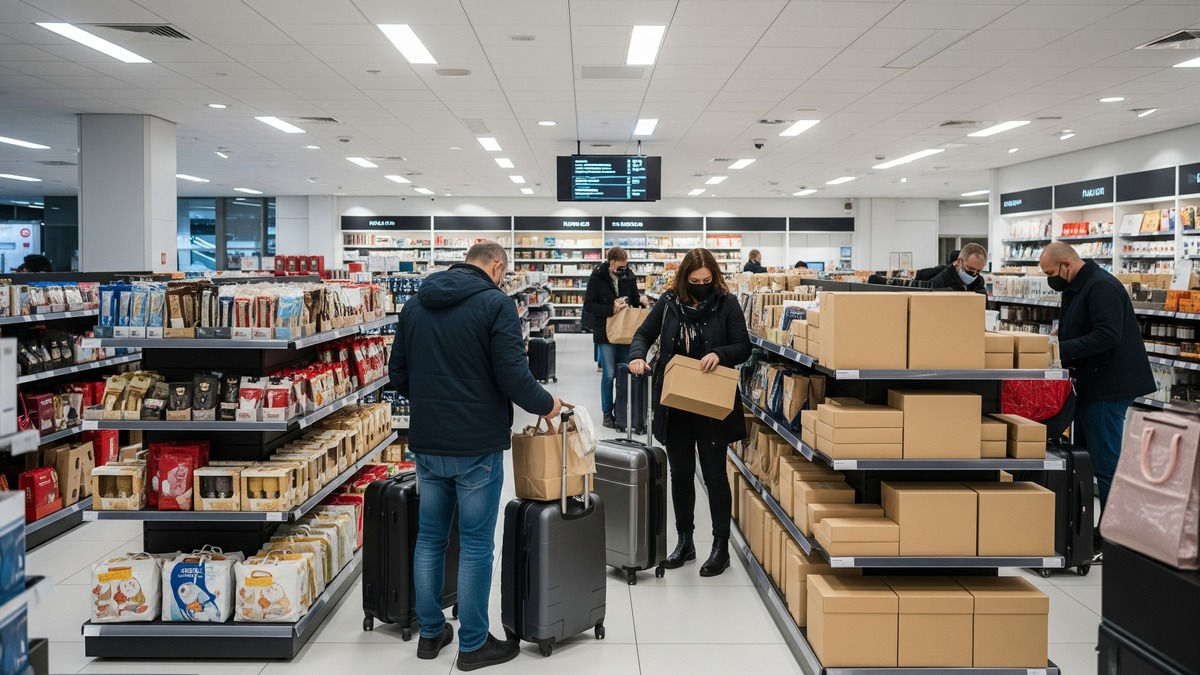
This image was generated by AI for illustrative purposes.
Rather than "buying everything later," decide what you need before security. Seafood, chilled and frozen items need cooling or delivery arrangements, so on days without much time it is also wise to switch to room-temperature items.
If you are returning from an Otaru trip, separate what you can buy in Otaru by the day before from what you will buy at the airport. At the airport, narrowing it down to airport-only items and products that are easy to carry home reduces the impact of register queues.
Add margin even when using JR or the bus
Public transport avoids car park queues, but trains and buses get crowded in peak season too. When heading from Otaru to New Chitose Airport, allow for the transfer at Sapporo and crowding on the Rapid Airport, and pick a train one earlier to be safe.
With large suitcases, moving through stations, waiting for elevators and crowds around ticket machines and gates also take time. If you are traveling with children or older people, plan for as few transfers as possible.
Peak-season checklist
By the day before you leave, check the following.
- The airport's official notices, car park crowd information and temporary car park information
- Whether you have an A or B car park reservation, and the shuttle bus if using Car Park C
- Your airline's online check-in and baggage deadlines
- Carry-on rules for chilled items, power banks and liquids
- Whether to eat at the airport or beforehand
- An earlier JR or bus option if you are coming from Otaru